>>
Industry>>
Environmental sustainability>>
The Top Industries That Rely o...The Top Industries That Rely on SS Forestry Boom Cutters for Vegetation Management
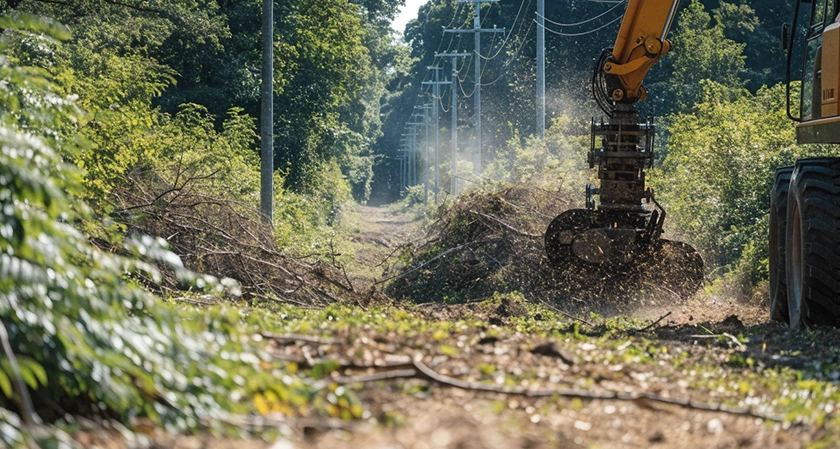
Early morning calm at a job site does not always last long. Everything might look clear, open, and ready for work, but nature often has other plans. Thick brush and fast spreading weeds take over quietly and turn simple ground into something harder to manage. It affects pace, safety, and how smoothly work moves through the day.
The SS forestry boom cutter often becomes part of that story, helping teams handle overgrowth in a steady way before things get out of control.
Let’s look at industries that depend on it and how it fits into daily vegetation management work today.
1. Forestry and Land Management
Forestry work moves fast, and so does the vegetation around it. One season of growth can easily turn open paths into thick, hard-to-move-through areas. If it is not managed regularly, even familiar routes start feeling blocked and harder to navigate.
Common tasks usually include
- Clearing access routes for field crews and equipment
- Managing dense growth in fire risk zones
- Keeping forest edges visible and marked
This kind of work needs tools that can handle rough terrain without slowing things down too much. When equipment matches the conditions on the ground, crews can focus more on covering the area instead of constantly dealing with stoppages or delays.
2. Utility and Power Line Maintenance
Utility teams spend a lot of time keeping power lines and service corridors free from overgrowth. Even small branches can cause problems if they are not managed on time, sometimes leading to power cuts or safety risks. This work often covers long stretches of land, including areas that are not easy to reach.
Tasks in this sector include
- Clearing vegetation near power lines
- Keeping access routes open for repair crews
- Managing plant growth along utility corridors
In these situations, the SS forestry boom cutter helps operators handle vegetation from a safer distance. It also reduces the need to revisit the same area repeatedly, since more ground can be covered in one go. This makes work faster and more efficient, especially when services for communities are involved.
3. Road Construction and Transport
Road work is never really calm. There is always something growing, shifting, or blocking visibility along highways and rural roads. If vegetation is not managed properly, even simple drives can start feeling unsafe or unclear.
Typical tasks usually include
- Cutting back roadside plants and bushes
- Clearing land before road expansion work
- Keeping highways and rural routes visible and safe
Crews have to balance speed with safety since traffic is often moving nearby. Handling overgrowth on time helps keep roads easier to travel and makes construction work smoother without constant interruptions.
4. Agriculture and Farming
Farming is always on a schedule, and weeds do not really care about that. They grow along field edges, irrigation lines, and even unused patches pretty quickly. If nobody keeps an eye on it, they can spread into crop areas and mess with productivity.
Typical tasks include
- Cleaning fence lines and field boundaries
- Controlling weeds near water channels
- Getting unused land ready for farming
Since timing matters a lot in farming, even small delays can affect the whole cycle. Keeping land clear also makes it easier for machines and people to move around without getting stuck in overgrown spots.
5. Municipal and Government Services
Public spaces are always in use, so they never really get a break. Parks, roadsides, and drainage areas can quickly get overgrown if they are not maintained regularly. That can block paths, reduce visibility, and even cause drainage issues during heavy rain.
Typical work includes
- Keeping parks and green areas clean
- Clearing drainage lines after plant growth
- Managing roadside vegetation in cities and towns
Crews usually cover large areas with different types of ground and plant growth. It is not always predictable, so work needs to stay flexible. Keeping these places clean makes everyday movement safer and keeps public spaces more pleasant for everyone.
Conclusion
Across all these industries, vegetation management is part of daily operations rather than a one-time job. From forests and farms to roads, utilities, and public spaces, overgrowth keeps coming back and needs steady control to keep work moving.
The SS forestry boom cutter supports this work by helping crews manage large areas with better control and less repetition. It fits into different environments and helps teams handle challenging ground conditions without slowing down progress too much.
At the end of the day, it is about keeping land usable, safe, and easier to work on, so every job can move forward without unnecessary delays or interruptions.