>>
Technology>>
E commerce>>
Australians Cut Spending and L...Australians Cut Spending and Lean on Credit as Cost-of-Living Crisis Bites
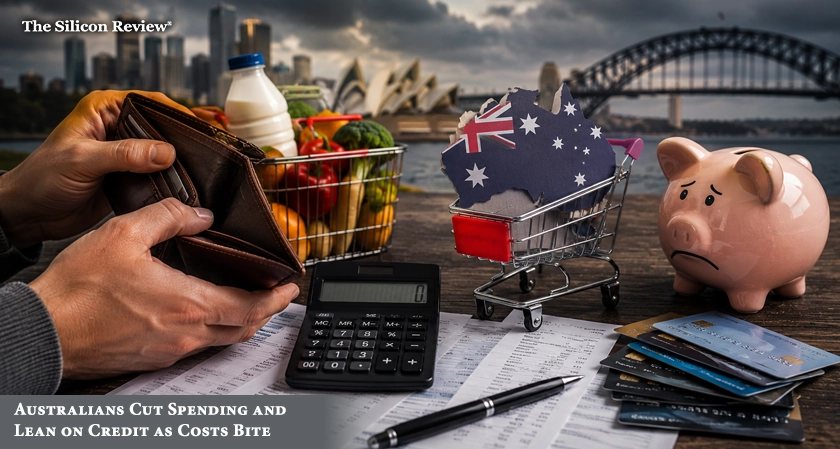
Australians are cutting discretionary spending and increasingly relying on credit cards and buy-now-pay-later services as the cost-of-living crisis deepens, according to new data from the Commonwealth Bank and the Australian Bureau of Statistics.
Australians are tightening their belts as the cost-of-living crisis deepens, cutting discretionary spending and increasingly turning to credit cards and buy-now-pay-later services to make ends meet, according to new data from the Commonwealth Bank and the Australian Bureau of Statistics.
The data shows that spending on non-essential items, including dining out, entertainment, and travel, has fallen sharply, while spending on essentials such as groceries, utilities, and housing has continued to rise. The trend is most pronounced among low- and middle-income earners, who are bearing the brunt of rising inflation and interest rates.
"Australians are feeling the pinch. We are seeing a clear shift in spending patterns, with households cutting back on discretionary items and prioritising essentials," said CommBank Chief Economist Stephen Halmarick.
"At the same time, we are seeing an increase in the use of credit cards and buy-now-pay-later services, which suggests that many households are struggling to make ends meet."
The data shows that credit card balances have increased by 8.5 per cent over the past year, while the use of buy-now-pay-later services has grown by 12.5 per cent. The trend is being driven by rising living costs, with the annual inflation rate currently at 4.2 per cent, up from 3.8 per cent in the previous quarter.
"The cost-of-living crisis is taking a toll on households. We are seeing a growing number of Australians turning to credit to cover everyday expenses," said Treasurer Jim Chalmers.
"We are committed to providing targeted relief to those who need it most, but we also need to ensure that we are not adding to inflationary pressures."
The trend is also being reflected in retail spending data, with retail sales volumes falling by 0.6 per cent in June, following a 1.1 per cent decline in May. The decline was driven by a sharp drop in spending on discretionary items, including clothing, footwear, and department store sales.
Here is the question this data raises. Australians are cutting spending and leaning on credit as the cost-of-living crisis deepens. When households are struggling to make ends meet and retail spending is falling, what will it take to ease the pressure on families and businesses?
As Australians cut spending and lean on credit, The Silicon Review asks a final question. When the cost of living continues to rise and wages lag behind, how long can households sustain this pattern before the economy feels the full impact?
FAQ:
Q: How much have credit card balances increased?
A: Credit card balances have increased by 8.5 per cent over the past year, according to CommBank data.
Q: How much has the use of buy-now-pay-later services grown?
A: The use of buy-now-pay-later services has grown by 12.5 per cent over the past year.
Q: What is the current inflation rate in Australia?
A: The annual inflation rate is currently at 4.2 per cent, up from 3.8 per cent in the previous quarter.
Q: How much have retail sales volumes fallen?
A: Retail sales volumes fell by 0.6 per cent in June, following a 1.1 per cent decline in May.
Q: What is the government doing to address the cost-of-living crisis?
A: The government has committed to providing targeted relief to those who need it most, while also ensuring it does not add to inflationary pressures.













Comments