>>
Technology>>
Quality assurance>>
Commission Revises Requirement...Commission Revises Requirements for Stem Cell Collection and Storage; New Standards for Haemopoietic Progenitor Cells
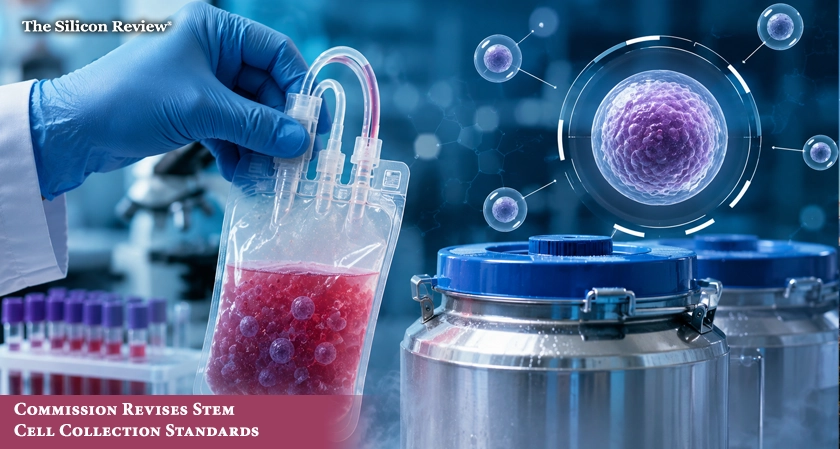
The Australian Commission on Safety and Quality in Health Care has released revised requirements for the collection, processing, storage, and issue of human haemopoietic progenitor cells, strengthening safety and quality standards.
The Australian Commission on Safety and Quality in Health Care has released revised requirements for the collection, processing, storage, and issue of human haemopoietic progenitor cells, strengthening safety and quality standards for stem cell therapies. The updated standards, which replace the 2019 guidelines, are designed to improve patient safety and ensure consistent quality across the sector.
The revised requirements are part of the Commission's broader efforts to strengthen the regulatory framework for stem cell therapies, which have become increasingly important in the treatment of blood cancers, immune disorders, and genetic diseases. The new standards also incorporate feedback from clinicians, scientists, and patient advocacy groups.
"Haemopoietic progenitor cells are a vital resource for patients undergoing stem cell transplants. These revised requirements will ensure that the collection, processing, storage, and issue of these cells meet the highest safety and quality standards," said Professor Christine Bennett, Chief Medical Officer at the Australian Commission on Safety and Quality in Health Care.
"Patient safety is our top priority, and these revisions reflect the latest evidence and best practice."
The revised requirements cover a range of areas, including the accreditation of collection centres, the training and competency of staff, the validation of processing methods, the management of storage facilities, and the traceability of cells from collection to patient. The Commission has also introduced new requirements for the reporting of adverse events and the management of product recalls.
"These revisions are a significant step forward in ensuring the safety and quality of stem cell therapies in Australia," said Dr. John Rasko, a leading haematologist and stem cell researcher. "They provide a clear framework for clinicians and laboratories to follow."
The Commission is now consulting with stakeholders on the revised requirements, with submissions due by September 30. The final requirements are expected to be published in early 2027.
Here is the question this revision raises. The Commission has revised the requirements for the collection and storage of haemopoietic progenitor cells, strengthening safety and quality standards. When stem cell therapies are becoming increasingly important in the treatment of serious diseases, will these revised requirements ensure patient safety and consistent quality across the sector?
As the Commission revises the requirements for haemopoietic progenitor cells, The Silicon Review asks a final question. When stem cell therapies are transforming the treatment of blood cancers and genetic diseases, will Australia's regulatory framework keep pace with innovation and protect patients?
FAQ:
Q: What are haemopoietic progenitor cells?
A: Haemopoietic progenitor cells are stem cells that can develop into different types of blood cells and are used in the treatment of blood cancers, immune disorders, and genetic diseases.
Q: What is the Australian Commission on Safety and Quality in Health Care?
A: The Commission is a national body that develops safety and quality standards for healthcare in Australia.
Q: What are the revised requirements for haemopoietic progenitor cells?
A: The revised requirements cover the collection, processing, storage, and issue of haemopoietic progenitor cells, including accreditation, staff training, validation of processing methods, and traceability.
Q: When will the final requirements be published?
A: The final requirements are expected to be published in early 2027.













Comments