>>
Industry>>
Cryptocurrency>>
How Crypto Payments Reshaped E...How Crypto Payments Reshaped European Checkouts
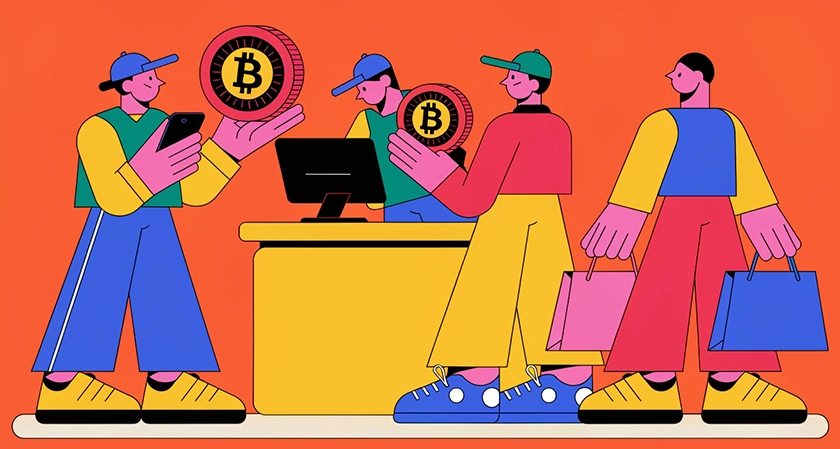
Not long ago, paying with digital currency across Europe felt like a novelty reserved for tech enthusiasts and a handful of curious merchants. A shopper in Berlin or Lisbon might have heard of Bitcoin, but actually spending it at a store counter or a website checkout was rare, clunky, and often slower than fishing out a debit card. Fast forward to today, and the picture looks strikingly different. Retail chains, travel booking sites, subscription services, and online gaming venues have quietly folded crypto and stablecoin options into their payment menus. What was once experimental now sits beside Visa, Mastercard, and PayPal as just another way to pay. The shift says a great deal about how European consumers, and the businesses serving them, have grown comfortable with money that lives entirely on a blockchain.
That comfort has also raised sharper questions about identity and privacy at checkout, and nowhere is that debate more visible than in online gaming. Some crypto-friendly gaming venues advertise that they ask for little or no identity verification, and sorting the genuine offers from the marketing spin has become its own small research field. For readers who want to see how those claims hold up, nokyc's overview of no ID casino sites ranks and reviews operators specifically on what their terms and conditions actually say about verification. The service crawls those documents daily, quotes the exact clauses, and tracks how the rules change over time, which matters because a venue's stated policy today may quietly tighten tomorrow. For anyone weighing where digital-currency spending meets personal privacy, that documented reading of the fine print beats a homepage banner promising anonymity.
From Fringe Experiment to Mainstream Rail
The early days of crypto payments in Europe were defined by friction. Confirmations could take ten minutes or more, fees spiked without warning, and price swings meant a coffee bought with Bitcoin might cost noticeably more or less by the time the transaction cleared. Merchants who dabbled often gave up. The technology promised borderless money, but the everyday experience felt anything but smooth.
What changed was the infrastructure underneath. Faster settlement layers, better wallet software, and the rise of stablecoins pegged to the euro or dollar stripped out the two biggest headaches: speed and volatility. A shopper spending a euro-pegged stablecoin knows exactly what it is worth, and the payment clears in seconds. That reliability turned crypto from a speculative curiosity into something a small business could actually accept without gambling on the exchange rate. Analysts have described the resulting expansion as a fintech gold rush, with payment rails maturing into serious commercial infrastructure rather than a novelty bolt-on.
Where Consumers Actually Spend It
The interesting part is not that crypto payments exist, but where they have taken hold. European travel operators now let customers book flights and hotels with digital assets. Electronics retailers, luxury goods sellers, and even some grocery-adjacent services have added crypto checkout buttons. Subscription businesses, from streaming to software, quietly accept stablecoins because they settle instantly and cross borders without the usual card-network overhead.
Online gaming venues have been among the most aggressive adopters, and for logical reasons. Their audiences skew tech-comfortable, transactions happen frequently, and the appeal of moving value quickly across borders fits the product. A player in one European country can fund an account with a stablecoin and know precisely what that balance is worth, without watching a currency conversion eat into it. That predictability is exactly what stablecoins were built to deliver, and it explains why gaming sites often sit at the leading edge of consumer crypto adoption rather than trailing behind retail.
The Stablecoin Turning Point
If Bitcoin opened the door, stablecoins walked consumers through it. The volatility problem that scared off early adopters simply does not apply to a coin engineered to hold a steady value. Berkeley researchers have charted how stablecoins moved from crypto curiosity to fintech cornerstone, becoming the quiet workhorse behind a growing share of digital transactions.
For a European consumer, the practical benefit is intuitive. Sending a euro-pegged stablecoin to a merchant feels a lot like a bank transfer, except it clears almost instantly and works the same whether the recipient is in the next town or another country entirely. That combination of familiarity and speed pulled stablecoins into everyday use. Retailers like the low processing costs. Consumers like knowing the number they see is the number they pay. And gaming venues like that funds arrive fast enough to keep the experience seamless.
Technology Doing the Heavy Lifting
None of this happened by accident. A wave of engineering went into making crypto payments feel invisible to the end user, which is the real mark of a mature technology. Increasingly, the same tools that power modern payment startups also blend artificial intelligence into the mix, with reporting on how AI and blockchain drive payment startups showing how fraud detection, routing, and settlement are being automated behind the scenes.
For the shopper or the player, all that complexity resolves into a single tap. The wallet handles the conversion, the network confirms the transfer, and the checkout page shows a green light. The heavy lifting is deliberately hidden, which is precisely why adoption has accelerated.
What the Shift Really Signals
The bigger story is not about any single coin or venue. It is about how quickly a fringe idea became ordinary infrastructure across an entire continent. European consumers now treat crypto and stablecoins as one more payment choice, whether booking a trip, renewing a subscription, or funding an evening of online entertainment. The technology grew up, the friction faded, and the once-exotic idea of spending digital money became almost boring in the best possible sense. And as more consumers cross that threshold, the questions shift too, moving from whether crypto payments work to how transparent the businesses accepting them choose to be.




















Comments