>>
Technology>>
Artificial intelligence>>
How Technology Is Modernizing ...How Technology Is Modernizing Wildfire Response
The Silicon Review
09 July, 2026
Author:
Guest
Wildfire seasons keep getting longer and more intense, and the old model of response is straining to keep up. For a readership that follows innovation, the interesting story is not just the fires themselves. It is how technology is changing the way we prepare for and respond to them. Faster, smarter, and more distributed is the direction of travel.
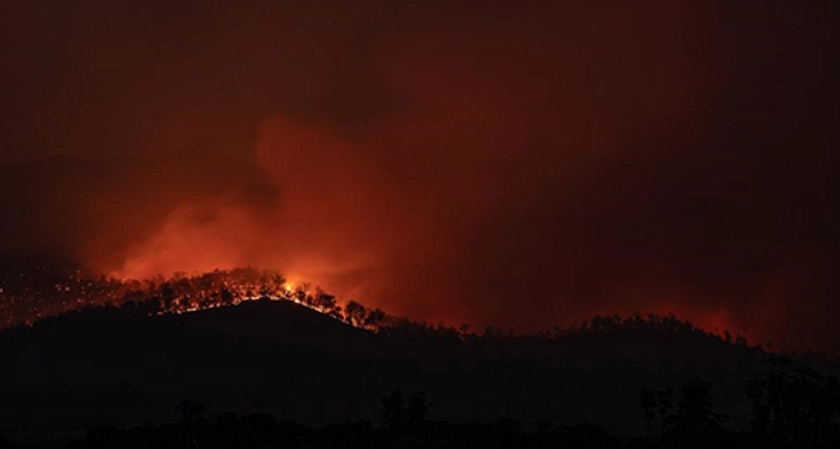
Alt text: A wildfire burning on a hillside at dusk
One quiet part of that shift is happening on the back of ordinary vehicles. Purpose-built units like BLZ Fire Skids put rapid, small-scale suppression capability wherever a truck can go. It is a decentralized answer to a problem that used to depend entirely on distant crews. This guide looks at how technology is reshaping wildfire response, and where tools like these fit.
How Is Technology Reshaping Wildfire Response?
On every front. Data and hardware both advance.
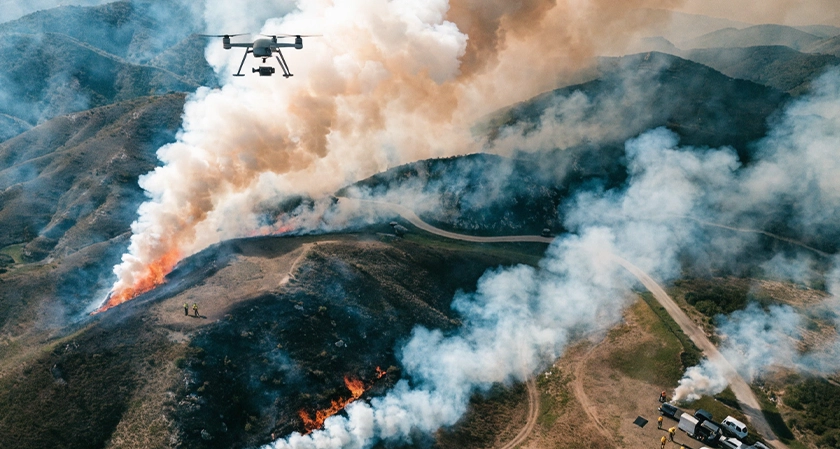
From satellite detection to predictive modeling, technology now spots and tracks fires earlier than ever. Drones map fire perimeters in real time, feeding data straight to incident commanders. Government research such as the DHS work on technology to reduce wildfire impact points to how much innovation is flowing into the field. The goal across all of it is buying time, the most valuable resource in any fire.
The point is speed. Earlier information saves everything downstream.
Why Does Decentralized Response Matter?
Because central crews cannot be everywhere. Distribution fills gaps.
The same logic that drives efficient EMS operations applies to fire: the closer help is, the better the outcome. On-site suppression gear lets landowners act in the critical first minutes. A fire caught in those first minutes rarely becomes the disaster that makes headlines. It complements professional crews rather than replacing them.
The point is proximity. Distributed capability closes the time gap.
What Role Does Vehicle Technology Play?
A growing one. The truck becomes a platform.
Alt text: A utility vehicle carrying water tank equipment
Modern fleets already run on telematics and advanced technologies that track and optimize every vehicle. GPS, remote monitoring, and rugged mounts make these builds far more capable than a decade ago. Turning a capable truck into a mobile suppression unit extends that same idea to fire readiness. The vehicle you already own becomes part of the response system.
The point is integration. Existing assets gain new purpose.
Are Fire Skids a Substitute for Fire Crews?
Absolutely not. This is non-negotiable.
A skid handles prevention and small spot fires only, never an active wildfire. The volunteer fire community, represented by bodies like the NVFC, is unequivocal that trained responders are irreplaceable. Owning one is about buying time until the professionals arrive, nothing more. Any real fire means calling 911 first and leaving the firefighting to professionals.
The rule is clarity. Technology assists; it does not replace.
What Should Buyers Evaluate?
Fitness for purpose. Not all units are equal.
A quick demo or a reference call reveals a lot before you commit. The factors that separate a serious unit from a toy are these 5:
- Build quality. It must survive real field use.
- Capacity fit. Match tank size to the vehicle.
- Ease of use. Simple operation under pressure.
- Easy to service and keep ready.
- Clear limits. Sold honestly for spot fires only.
Each factor affects reliability. Together they mark genuine capability over marketing.
Key Points to Keep In Mind
- Technology is making wildfire response faster and smarter.
- Decentralized, on-site tools close the critical time gap.
- Vehicle platforms extend fleet tech into fire readiness.
- Fire skids handle spot fires only, never real wildfires.
- Always call 911 and rely on professional crews.
- Evaluate build quality, capacity, and honest limits.
Innovation With Accountability
The modernization of wildfire response is a genuinely encouraging story, blending better data, smarter fleets, and more distributed tools. Vehicle-based suppression fits neatly into that picture, extending capability to the people closest to where fires start. The key, as with any powerful tool, is honesty about its limits. The smartest communities pair new tools with old-fashioned preparation and clear-eyed limits. Deployed for prevention and small spot fires, backed by training and a fast call to 911, this kind of innovation makes communities meaningfully more resilient.
Frequently Asked Questions
How Is Technology Changing Wildfire Response?
Advances span detection, prediction, and suppression. Satellites and sensors spot fires faster, predictive models forecast spread, and better equipment helps crews and landowners act sooner. There is also a shift toward decentralized tools, like vehicle-mounted suppression units, that put capability closer to where fires begin. Together, these developments aim to compress response time, which is the single biggest factor in limiting a fire's damage.
What Is a Vehicle-Mounted Fire Skid?
It is a self-contained suppression unit, with a water tank, pump, and hose, that mounts in a truck bed or on a UTV. It turns a capable vehicle into a mobile tool for tackling small spot fires and supporting prevention work. Designed for rural property owners and remote operations, it is meant for early, small-scale response, not for fighting large, active wildfires, which remain the job of professional crews.
Can Technology Replace Firefighters?
No. Technology makes firefighting faster, safer, and better informed, but trained human responders remain essential and irreplaceable. Tools like sensors, drones, and suppression gear support and extend what crews can do; they do not substitute for them. In any serious fire, the correct action is to call 911 and let professionals lead. The best outcomes come from combining smart technology with skilled people.
What Should I Look for In Fire-Response Equipment?
Prioritize genuine build quality, appropriate capacity for your vehicle, and simple, reliable operation under stress. Good equipment is easy to maintain so it stays ready, and it is sold with honest guidance about its limits. Be wary of anything marketed as a cure-all. The best gear is designed for a clear, realistic role, supported by training, and integrated into a wider preparedness plan rather than relied on alone.




















Comments