>>
Industry>>
Legal>>
Behind the Headlines: Why Oilf...Behind the Headlines: Why Oilfield Accidents Can Have Devastating Consequences
The Silicon Review
29 August, 2026
Author:
Guest
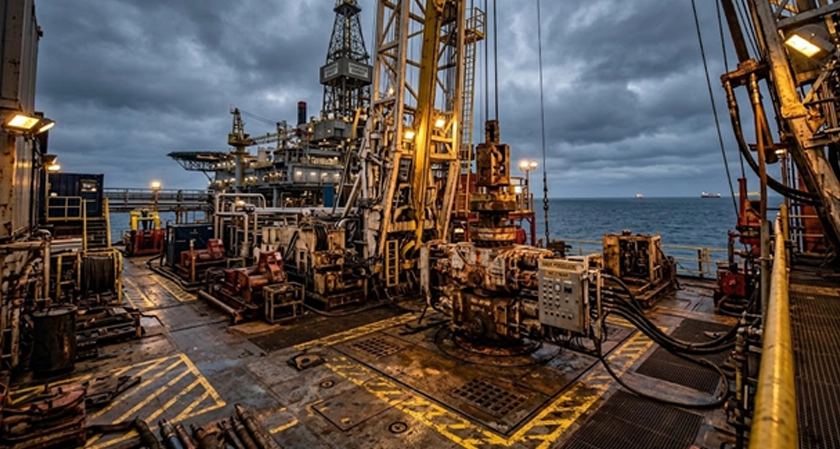
Upstream energy work in the $265 billion oil and gas industry is inherently dangerous because operations combine massive kinetic forces, volatile hydrocarbons, and extreme system pressures under relentless production schedules. Roughly three severe wellsite incidents are reported every week in heavy drilling basins across North America.
When containment fails on a drilling floor or completion rig, the energy release is rarely minor. Understanding the mechanics of these hazards explains why workplace injuries in the oil patch often carry life-altering physical and financial consequences.
The Volatiles of Upstream Energy Production
The core danger in upstream oil and gas production stems from the high-pressure environment required to extract resources thousands of feet below the surface. Drilling fluid systems, hydrostatic pressures, and pressurized wellheads require precise mechanical balance. A single component failure in a blowout preventer stack or a compromised manifold can unleash immediate kinetic energy.
When sudden pressure drops occur, volatile gases like hydrogen sulfide escape rapidly, creating toxic atmospheres before crews can react. Workers on the ground face a dual threat: explosive ignitions and acute chemical toxicity.
The heavy machinery required to manage these pressures, including iron roughnecks, catheads, and draw-works, operates with immense force. When equipment fails, field workers routinely sustain complex crush injuries, severe burns, and traumatic brain injuries.
Navigating the aftermath of a wellsite disaster involves complex legal and technical challenges in the key markets where the industry operates, and requires local expertise. Coping with insurance claims, regulatory investigations, and third-party liability requires insight from experienced oilfield injury lawyers in Houston who understand Texas energy operations, for instance. Securing full recovery demands a clear mapping of every contractor, leaseholder, and equipment supplier on the pad.
Systemic Risk Factors Behind Catastrophic Wellsite Incidents
Equipment does not exist in a vacuum, and wellsite disasters rarely stem from isolated mechanical breakdowns. Safety protocols frequently break down under the pressure of tight production timelines and continuous shifts.
According to federal health monitoring, Texas leads the nation in oilfield fatalities with hundreds of worker deaths recorded in recent years. This elevated risk profile stems from complex logistics, heavy equipment operations, and high-intensity production schedules across vast oil basins.
Catastrophic wellsite incidents typically stem from a few core operational breakdowns:
- Structural metal fatigue in high-vibration drill strings and lines
- Inadequate gas detection monitoring around storage tanks and mud pits
- Defective pressure relief valves on high-pressure separators
When these systemic issues converge, the consequences reach far beyond the immediate blast zone. Beyond initial emergency room visits, victims face long months of reconstructive surgeries, physical therapy, and permanent occupational disability.
Determining Liability in Multi-Employer Operations
Establishing responsibility after an oilfield incident is notoriously difficult because modern wellsites involve multiple employers. A typical production pad hosts operators, drilling contractors, mud logging technicians, and specialized service providers simultaneously.
When a catastrophic event occurs, corporations quickly deploy rapid-response legal teams to limit liability and shift blame onto third-party contractors. Federal safety tracking shows that Texas accounts for over half of severe nationwide oilfield injuries, highlighting how frequently complex operational hazards turn fatal.
Investigating these cases requires analyzing daily drilling reports, maintenance logs, blowout preventer testing records, and contractor service agreements. Identifying whether an equipment manufacturer supplied a defective valve or a subcontractor bypassed safety interlocks determines who is legally accountable, even if insurance is involved. Without early evidence preservation, crucial telemetry data and physical components can be altered or cleared from the site.
Long-Term Recovery and Financial Realities for Injured Workers
The financial impact of an oilfield injury extends well past immediate medical bills. Traumatic injuries frequently end careers, stripping experienced workers of their earning capacity during their prime working years.
Families are often left to manage continuous home health care costs, adaptive medical equipment, and deep psychological trauma without clear answers. Standard workers' compensation benefits rarely cover the true lifetime cost of a permanent disability, especially when third-party negligence contributed to the incident. Victims must pursue comprehensive claims that account for future inflation, lost pension contributions, and ongoing physical rehabilitation.
Protecting a family's financial future requires holding every negligent party accountable, from equipment manufacturers to site operators. Reviewing similar workplace safety insights can help families understand their rights, navigate complex insurance claims, and secure the comprehensive care required for long-term recovery. Our site has many more posts about business operations and personal challenges, so stick around to learn more about topics that matter.




















Comments