>>
Industry>>
Banking and insurance>>
Major Banks Hike Fees, Slash C...Major Banks Hike Fees, Slash Credit Card Rewards Ahead of RBA Surcharge Ban on October 1
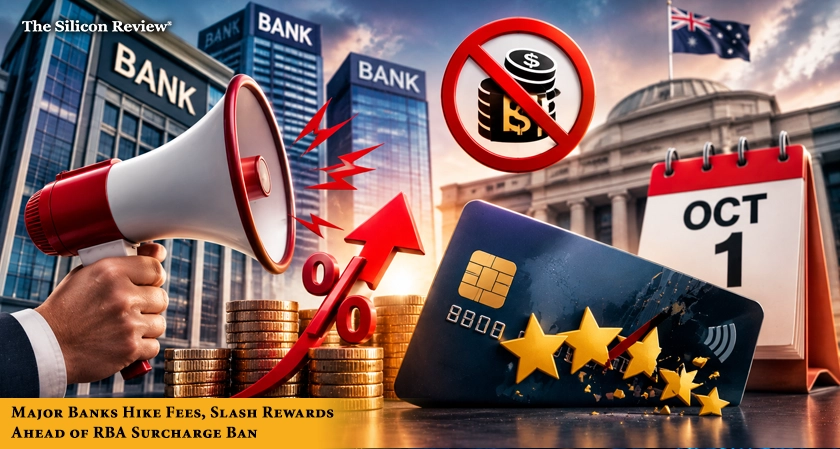
Major Australian banks are hiking credit card fees and slashing rewards programs ahead of the Reserve Bank's removal of the surcharging ban on October 1, which will allow card schemes to prohibit merchants from passing on card acceptance costs to customers.
Major Australian banks are making sweeping changes to their credit card offerings ahead of the Reserve Bank of Australia's removal of the surcharging ban, which takes effect on October 1, 2026. The changes include fee hikes, reduced rewards, and stricter eligibility requirements, as banks brace for a new era in which merchants will no longer be able to pass on card acceptance costs to customers.
"We are seeing a significant shift in the credit card landscape as banks adjust to the new regulatory environment," said a banking industry analyst.
"The removal of the surcharging ban is forcing banks to rethink their business models."
What Is Changing on October 1?
The Reserve Bank of Australia's removal of its prohibition on no-surcharge rules, which has been in place for two decades, takes effect on October 1, 2026. This change allows card schemes like Eftpos, Visa, Mastercard, and American Express to ban merchants from surcharging card payments.
Previously, merchants could pass on the cost of card acceptance to customers, which often discouraged card use and encouraged cheaper payment methods. With the ban in place, merchants will no longer be able to add a surcharge to card transactions, shifting the cost burden back to card issuers and, ultimately, cardholders.
How Banks Are Responding
In response to the upcoming changes, banks are implementing a range of measures to protect their profitability:
- Fee Hikes: Several major banks have announced increases to annual fees, late payment fees, and foreign transaction fees.
- Reward Cuts: Credit card rewards programs are being scaled back, with reduced points earning rates and fewer redemption options.
- Stricter Eligibility: Some banks are tightening eligibility requirements for premium credit cards, making it harder for customers to qualify.
"Banks are clearly trying to offset the revenue they will lose from the surcharging ban," said a consumer advocate.
"The changes will hit consumers hard, particularly those who rely on credit cards for everyday purchases."
Impact on Consumers
The changes are expected to have a significant impact on consumers. Credit cardholders who use their cards for everyday purchases will see their rewards diminish, while those who carry a balance will face higher interest costs. The surcharging ban itself is intended to benefit consumers by reducing the cost of card payments, but the banks' response may offset some of those gains.
"The surcharging ban should lower costs for consumers at the checkout," said the banking analyst. "But the banks' fee hikes and reward cuts could mean that overall, cardholders are worse off."
Here is the question this development raises. Major banks are hiking fees and cutting rewards ahead of the RBA's surcharging ban. When a regulatory change designed to benefit consumers triggers a wave of bank fee hikes and reward cuts, who truly ends up paying the price?
FAQ:
Q: What is changing on October 1, 2026, with credit card surcharging?
A: The Reserve Bank of Australia is removing its prohibition on no-surcharge rules, allowing card schemes like Eftpos, Visa, and Mastercard to ban merchants from surcharging customers for card payments.
Q: Why are banks hiking credit card fees and cutting rewards?
A: Banks are adjusting to the loss of revenue from the surcharging ban, which previously allowed merchants to pass card acceptance costs to customers. Without this revenue source, banks are increasing fees and scaling back rewards to maintain profitability.
Q: What fees are banks increasing?
A: Banks are raising annual fees, late payment fees, and foreign transaction fees, among other charges.
Q: How are credit card rewards being affected?
A: Rewards programs are being scaled back, with reduced points earning rates and fewer redemption options.
Q: Will the surcharging ban benefit consumers?
A: The ban is intended to reduce costs for consumers at the checkout, but banks' fee hikes and reward cuts may offset some of those savings.



















Comments