>>
Industry>>
Lifestyle and fashion>>
Why Traditional Fashion Brands...Why Traditional Fashion Brands Are Rethinking How They Compete Online

Traditional fashion brands once relied heavily on physical stores, loyal customers and reputations built over decades. Today, those strengths still matter, but they are no longer enough on their own. Consumers increasingly discover, compare and buy clothing online, often moving between established labels and newer digital-first competitors within minutes.
That has forced heritage brands to rethink what makes them distinctive in an online environment. Craftsmanship, history and quality can be powerful advantages, but only when they are communicated clearly through product pages, photography, storytelling and customer experience.
The challenge is not simply to copy younger e-commerce brands. Traditional fashion companies need to modernise without losing the characteristics that made them valuable in the first place. Competing online increasingly means turning heritage into something customers can understand before they ever touch the product.
Heritage Needs to Be Visible Online
A physical shop can communicate quality through materials, atmosphere and direct contact with products. Online, that experience has to be translated into images, descriptions and brand storytelling.
This is particularly important for companies whose identity is connected to traditional materials or regional craftsmanship. A customer browsing https://www.aran.com/, for example, needs enough visual and contextual information to understand why those garments differ from generic alternatives that may appear beside them in search results.
History alone is not persuasive if it remains hidden on an About page. Strong digital brands weave heritage into product descriptions, photography and the overall shopping experience without turning every page into a history lesson.
Product Pages Have Become Part of the Sales Team
In-store customers can inspect fabric, ask questions and try on different sizes. Online shoppers depend almost entirely on the information provided by the retailer.
That makes product pages much more important than they once were.
Detailed sizing, fabric information, care instructions and multiple photographs can reduce uncertainty. Video and close-up imagery can be especially useful for knitwear, tailoring and textured materials where quality is difficult to judge from a single photograph.
Traditional brands sometimes assume their reputation will carry the sale. Online, customers may encounter the label for the first time and need the same level of reassurance they would expect from any unfamiliar retailer.
The product page has to answer those questions before the customer leaves to compare alternatives.
Younger Customers Discover Brands Differently
Long-standing recognition does not automatically transfer between generations.
A brand familiar to parents or grandparents may be completely unknown to younger shoppers. Search engines, social media, creator content and online recommendations now play a much larger role in discovery.
That creates both a challenge and an opportunity.
Traditional brands have stories that newer competitors often cannot reproduce, but those stories need to appear in formats that match modern browsing behaviour. Short videos showing production, styling content and useful editorial material can introduce heritage without making the brand feel frozen in the past.
The goal is not to chase every platform trend. It is to make an established identity understandable to people who have no previous relationship with the name.
Price Needs a Clear Explanation
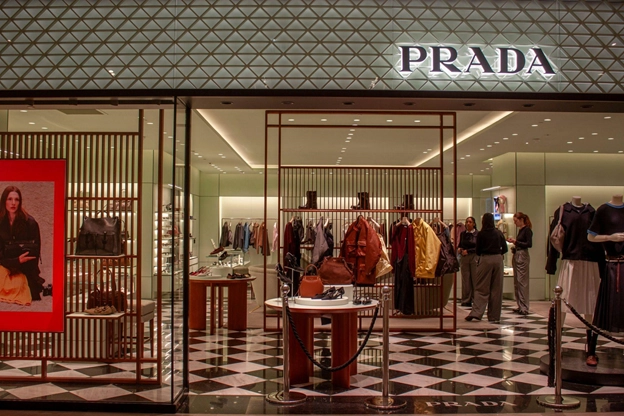
Traditional fashion frequently sits above the cheapest end of the market.
That can be difficult online because customers can compare dozens of prices almost instantly. A higher price therefore needs to make sense without a salesperson standing nearby to explain it.
Materials, construction, durability and craftsmanship should all be visible parts of the value proposition.
Simply describing something as “premium” is rarely enough.
Customers want to know what makes one sweater, coat or accessory different from a lower-priced alternative. Clear information about fibres, manufacturing methods and expected longevity helps shift the conversation away from price alone.
When value is well explained, heritage becomes a commercial advantage rather than just a branding detail.
Convenience Can No Longer Be Ignored
Customers may appreciate tradition, but they still expect modern e-commerce standards.
Slow websites, confusing navigation, limited payment methods or unclear return policies can undermine even the strongest brand story. Shoppers compare the experience with the best online retailers they use, not only with other heritage fashion companies.
That means traditional brands need to combine character with convenience.
Mobile-friendly design, simple checkout, transparent delivery information and straightforward returns have become basic expectations.
Improving these areas does not dilute heritage. It removes unnecessary barriers between the customer and the product.
A strong digital experience should make the traditional qualities of the brand easier to access, not force shoppers to work harder to reach them.
Online Content Can Extend the Brand Beyond Products
Editorial content gives traditional fashion companies another way to compete.
Articles about materials, garment care, styling, craftsmanship or regional traditions can answer questions customers are already asking while strengthening the brand’s authority.
This is particularly useful for products that benefit from explanation.
A shopper who understands how a garment is made, why a particular fibre is used or how it can be styled across seasons may see more value in it than someone presented only with a product image and price.
Content also gives brands more opportunities to appear during the research stage of a purchase rather than waiting until someone is ready to buy.
That can make digital presence much broader than an online catalogue.
Modernisation Works Best When Identity Stays Intact
Traditional fashion brands do not need to behave like digital start-ups to compete online.
Their strongest advantage is often exactly what newer companies lack: history, recognisable design language, craftsmanship and established trust.
The challenge is presenting those qualities through modern channels.
Better product pages, clearer storytelling, stronger mobile experiences and useful content can all make heritage easier to understand without replacing it.
The brands that adapt successfully are not abandoning tradition. They are translating it.
Online competition rewards speed and convenience, but it also creates enormous opportunities for companies with a genuine story to tell. When traditional brands combine that story with the standards modern shoppers expect, their age becomes an advantage rather than something they need to overcome.




















Comments