>>
Other>>
Others>>
What Are Concrete Box Culverts...What Are Concrete Box Culverts and How Do They Work?
The Silicon Review
01 April, 2024
Author:
The Silicon Review Team
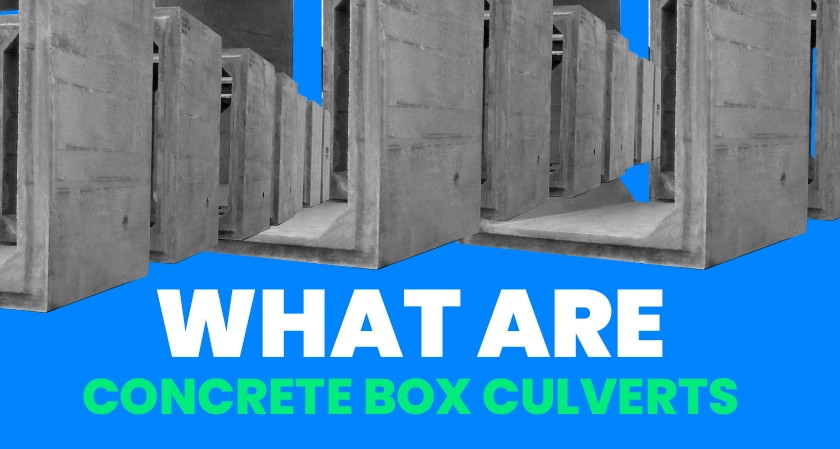
Concrete box culverts provide a flexible and effective way to control water flow across a range of terrains. These sturdy structures, which are usually composed of reinforced concrete, are intended to allow water to travel beneath roadways, and other kinds of embankments, preventing flooding and guaranteeing water transportation.
Their use, however, goes beyond the transportation of water; they also facilitate ecological connectedness and function in utility tunnels. This article will shed light on how this contemporary civil engineering masterpiece works.
Understanding Concrete Box Culverts
Concrete box culverts are essentially rectangular, simple structures made of reinforced concrete that transfer flow through a channel beneath an obstruction. These concrete box culverts are expertly engineered to bear a variety of loads, including hydrostatic pressures, live loads from moving vehicles, and earth pressures.
Depending on the amount of water or area that has to be crossed, they can be employed in one or several configurations. Additional elements like stairs for fish passage, internal baffles to slow water flow, and wing walls to direct flow and reinforce the structure against soil erosion can also be incorporated into their design.
Uses and Applications of Concrete Box Culverts
Concrete box culverts are extremely useful in infrastructure projects because they may be used in a wide range of engineering and environmental contexts and provide several advantages. The following are some major applications and advantages of concrete box culverts:
Water Conveyance
Concrete box culverts are essential parts of drainage systems that control rainwater runoff flow and keep both urban and rural regions from becoming flooded. Their effective drainage of water away from vulnerable areas and vital infrastructure contributes to soil stability and erosion management.
Ecological Connectivity
To preserve ecological connectivity between disparate landscapes, concrete box culverts lessen the detrimental effects of habitat fragmentation and contribute to biodiversity conservation by giving wildlife safe passageways beneath roads and other obstacles.
Utility Conduits
Concrete box culverts are utilized not only for the transportation of water but also for the housing of utility lines, including telecommunications infrastructure, electrical cables, and sewer pipes. This subterranean positioning minimizes visual disturbance in urban settings while guarding utilities against destruction and vandalism.
Pedestrian and Cyclist Underpasses
Concrete box culverts are frequently incorporated into walkways for cyclists and pedestrians, providing a safe route beneath railroads and busy roadways. They also support initiatives for active transportation and improve safety by keeping vulnerable road users apart from moving vehicles.
Advantages of Using Concrete Box Culverts
Here are some of the benefits of using concrete box culverts:
Structural Sturdiness
Heavy loads, such as traffic and soil pressures, are designed into concrete box culverts. They require less regular maintenance and repair because of their sturdy structure, which guarantees long-term structural stability.
Hydraulic Efficiency
Concrete box culverts' rectangular design promotes effective water flow and lowers the possibility of obstructions and sediment buildup. Their sleek internal surfaces reduce frictional losses and enable rapid water movement even during periods of high flow.
Endurance
Reinforced concrete is a well-known material for culvert construction because of its exceptional corrosion resistance and endurance. Concrete box culverts have minimal deterioration over time and can tolerate a variety of adverse environmental factors, such as chemical exposure, freeze-thaw cycles, and biological deterioration.
Flexibility
Concrete box culverts can be made to fit a variety of design specifications, such as various dimensions, forms, and arrangements. This flexibility enables engineers to customize culverts to meet the unique requirements of a project, guaranteeing both cost-effectiveness and excellent performance.
Environmental Compatibility
By incorporating features like fish ladders, baffles, and realistic streambeds, concrete box culverts can improve habitat quality and foster ecological connectedness. Their usage in drainage systems helps lessen the negative effects of urbanization on aquatic environments and lowers sedimentation and pollutant discharge.
Durability and Longevity
Concrete box culverts require very little maintenance and have a long lifespan. Because they are made of reinforced concrete, they can withstand the physical effects of silt and debris as well as the corrosive effects of water and chemicals.
The long-term structural integrity and performance of these materials are guaranteed by their resistance to extreme weather events and freeze-thaw cycles.
Structural Strength
Box culverts can handle large loads because of their extraordinary structural strength, which comes from their reinforced concrete construction. This comprises the dynamic loads from moving vehicles, as well as the weight of the earth and materials used to fill up the roads.
Because of their sturdy construction, they may be erected beneath railroads, highways, and other locations with heavy loads without sacrificing performance or safety.
Hydraulics Efficiency
The optimal hydraulic efficiency of concrete box culverts allows water to flow through their channels smoothly and quickly. Their smooth inner walls and rectangular shape lessen hydraulic resistance, reducing the chance of flooding and eliminating waterlogging. This makes them useful in regions that frequently see high levels of rainfall and in stormwater control systems.
Cost-Effectiveness
Concrete box culverts are an affordable option for numerous applications, even with their exceptional longevity and performance. When compared to other kinds of culverts or tiny bridge structures, their modular design and simplicity of installation can lead to cheaper overall project costs.
Over time, their extended lifespan and low maintenance needs also help to reduce the overall cost of ownership.
Ease of Installation
Since concrete box culverts are usually prefabricated, on-site installation can be completed swiftly and simply. This shortens the construction period and lessens the impact on nearby towns and traffic. The culvert's structural integrity and endurance are further improved by the use of precast components, which further guarantee excellent quality and consistency.
Sustainability
Environmental sustainability can be taken into account during the manufacture and installation of concrete box culverts. Over the course of their lifetime, the environmental effect of these structures is diminished due to their longevity and efficiency, which also reduces the need for replacement and maintenance.
Furthermore, recyclable materials are frequently used in concrete, which lessens the environmental impact of building projects.
Concrete Box Culverts: An Engineering Genius
Concrete box culverts combine structural strength, hydraulic efficiency, and environmental awareness. Their versatility in a variety of contexts highlights their significance in modern infrastructure, ranging from distant biological corridors to urban stormwater systems.
These culverts require a great degree of expertise to design and build because of the intricate interplay of artificial and natural elements. The methods for maximizing these systems' sustainability and performance will also change as our understanding of them does.