>>
Industry>>
Management consulting>>
Fleet Optimization Practices T...Fleet Optimization Practices That Reduce Costs And Increase Reliability

The Silicon Review
11 December, 2025
Author:
The Silicon Review Team
Fleet costs rarely collapse from a single big mistake. They creep up through small delays, idling habits, scattered maintenance, and routes that no longer match real demand. Reliability drops in the same quiet way, with more road calls, surprise part failures, and frustrated customers.
Thoughtful optimization reverses that pattern. Strong fleets track the right numbers, treat fuel and fluids as strategic resources, support drivers, and refresh routes before problems pile up. Step by step, these practices protect margins and keep vehicles ready for work each day.
Clarify Fleet Goals And Baseline Data
Real optimization starts with clarity. Many fleets chase lower costs in general terms, yet they lack a precise picture of current performance. Without that picture, teams guess at problems and jump between initiatives that never quite stick.
Begin with simple, consistent metrics. Track cost per mile, fuel consumption, unplanned downtime, on-time delivery percentage, and maintenance spend per vehicle. Use the same definitions across the organization so reports match reality. Even a few months of accurate data reveal trends that drivers and managers already feel in their daily work.
Segment the fleet by role. A regional delivery truck, a long-haul tractor, and a service van rarely share the same duty cycle. Each group deserves its own benchmarks. Compare similar vehicles and similar routes before drawing conclusions about performance.
Set concrete goals that connect to business needs. A construction fleet might aim to cut on-site fuel runs and road calls. A distribution fleet might focus on on-time rates and tire life. Clear goals let everyone judge whether new tools or policies actually deliver progress.
Streamline Fuel, DEF, And Fluid Management
Fuel, diesel exhaust fluid, and other consumables create high direct costs and hidden indirect costs. Crews lose time when they leave job sites for refills or search for stations with reliable stock. Equipment suffers when supply runs short or quality drops. A structured approach turns this area into a strength.
Map where each vehicle normally refuels and where equipment consumes the most fuel. Identify locations with frequent waits, detours, or pricing swings. Many fleets move toward on-site tanks, mobile refueling, or contracted supply to cut those weak spots. Some operations secure bulk fuel and arrange wholesale DEF delivery to central yards or hubs, then manage levels with remote tank monitors so stock stays ready without guesswork. Standardize products and suppliers wherever practical. Fewer fuel grades, fluid types, and vendors simplify training and reduce mix-ups.
Clear labeling at pumps, tanks, and storage points helps new staff avoid mistakes that damage engines or emissions systems.
Track fuel and DEF use by vehicle and by route. Unusual spikes often signal mechanical issues, driving habits that need attention, or theft. Early detection limits both cost and downtime.
Use Telematics To Guide Daily Decisions
Modern telematics platforms turn vehicles into rolling data sources. Location, speed, idle time, harsh events, and engine fault codes all feed into dashboards that managers can act on quickly. The key lies in choosing a small set of high-impact indicators instead of drowning in charts.
Focus on idle time, route adherence, and event rates such as hard braking or rapid acceleration. High idle numbers often point to unnecessary fuel burn and extra engine hours. Frequent harsh events wear out brakes and tires faster and often signal tailgating or rushed driving.
Create clear thresholds and alerts for these indicators. A spike in idle time on a specific route might trigger a review of traffic patterns, delivery windows, or customer yard rules. Repeated harsh events from one driver might prompt coaching or a ride-along session.
Integrate telematics data with maintenance systems. When engine fault codes appear, service teams can schedule checks before a small issue grows into a roadside breakdown. That linkage between data and shop workflow strengthens reliability and shortens repair cycles.
Refine Maintenance Practices For Maximum Uptime
Maintenance programs shape both cost and reliability more than almost any other factor. Reactive maintenance leads to expensive road calls, overtime, and frustrated drivers. A well-structured preventive and predictive program keeps fleets ready for work and protects asset value.
Start with factory schedules, then adjust intervals based on duty cycles and real-world experience. Harsh environments, frequent stops, and heavy loads all justify tighter inspection routines. Light-duty applications may allow slightly longer gaps, as long as oil analysis and component checks support that change.
Standardize inspection forms and pre-trip routines. Drivers who follow the same checklist gain a sharp eye for early signs of trouble, such as uneven tire wear, fluid traces, or loose hardware. Clear reporting channels between drivers and the shop help small findings reach technicians quickly.
Use maintenance history to shape replacement cycles. Some models deliver long, predictable service, while others show frequent failures after a certain mileage or age. Data-driven lifecycle planning prevents fleets from keeping chronic problem units in service too long.
Support Drivers With Training And Clear Standards
Drivers and operators sit at the center of any optimization effort. Their daily choices influence fuel use, safety, wear on vehicles, and customer satisfaction. Training and clear expectations give them the tools to support fleet goals instead of working at cross-purposes.
Develop simple driver scorecards that blend safety, fuel efficiency, and service metrics. Share these results privately first, then introduce friendly competition once everyone understands the system. Recognize strong performance with positive feedback, not only formal rewards.
Offer practical coaching instead of abstract lectures. Use real telematics clips, dashcam segments, or route maps to show how smoother acceleration, better following distance, and reduced idle time feel in practice. Invite drivers to share their own tips on tight docks, tricky city streets, and weather challenges. That dialogue often reveals small process changes that help the whole fleet.
Listen carefully to driver feedback about schedules, equipment, and routing. Drivers know where congestion slows routes, where fuel stops cause delays, and which units struggle on certain runs. Respecting that insight creates trust and leads to better decisions.
Review Routes, Assets, And Lifecycle Costs Regularly
Fleets change along with customer demands, city layouts, and regulations. Routes that worked five years ago may no longer fit current traffic or delivery patterns. Asset mixes that once felt efficient may drift out of sync with real loads and distances. Regular reviews keep the strategy aligned with reality.
Analyze routes for empty miles, frequent backtracking, and chronic delays. Routing software and simple mapping tools both help here. Pair data with driver insight to identify opportunities for stop re-sequencing, hub adjustments, or mode shifts. Even small reductions in distance and idle time snowball into major savings across a year.
Revisit asset mix and specifications on a set schedule. Lighter vehicles may suit urban routes with frequent stops, while long-haul lanes benefit from aero-focused tractors and long-range tanks. Rightsizing units for each lane protects fuel costs and uptime. 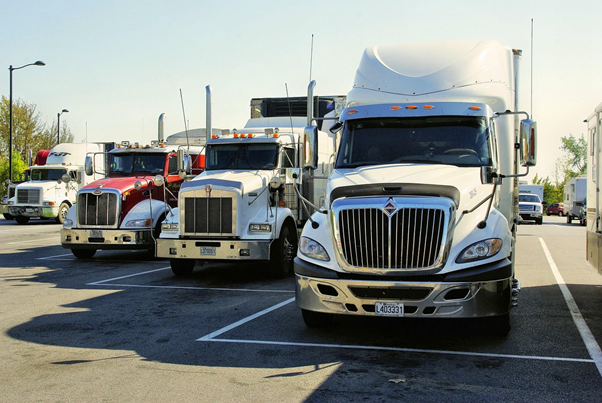
Clear goals, strong fuel and fluid management, meaningful telematics, disciplined maintenance, engaged drivers, and regular strategic reviews together reduce costs and raise reliability. Each step strengthens the link between daily operations and long-term business health, so every mile delivers more value and fewer surprises.