>>
Industry>>
Bio tech>>
Peanut Allergy Patch Succeeds ...Peanut Allergy Patch Succeeds in Late-Stage Study
The Silicon Review
18 December, 2025
Author:
The Silicon Review Team
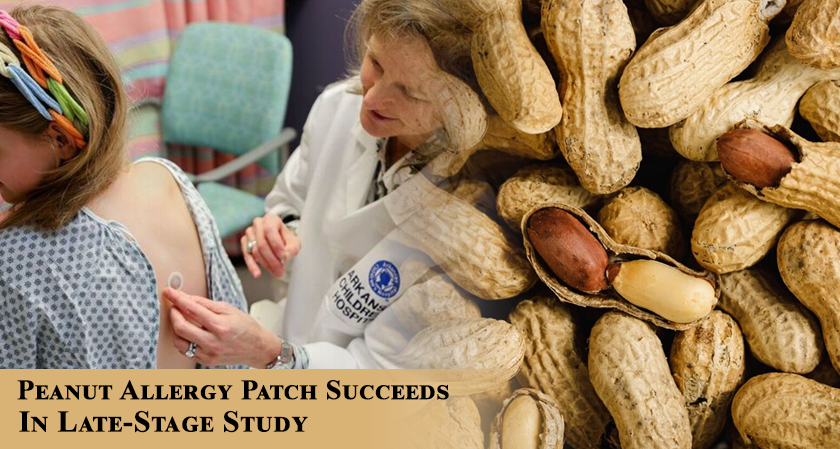
DBV Technologies' peanut allergy patch succeeds in a new Phase 3 trial, five years after an FDA rejection, paving the way for a new submission.
DBV Technologies has announced that its peanut allergy patch succeeded in a new late-stage study, reviving the prospect of the first epicutaneous immunotherapy for children. The positive Phase 3 results come five years after the therapy, Viaskin Peanut, initially faced a high-profile FDA rejection. The company plans to use this new data in a fresh regulatory submission to U.S. authorities next year, marking a significant comeback for a treatment that could offer a non-invasive option for managing food allergies.
This clinical trial success contrasts sharply with the previous regulatory setback due to issues with patch adhesion and trial design. The new study reportedly addressed those concerns, demonstrating a statistically significant increase in the amount of peanut protein participants could tolerate. Achieving these positive endpoints is the critical deliverable for DBV's regulatory strategy. This matters because it could provide a safer, more convenient alternative to existing oral immunotherapy, potentially protecting millions of children from severe allergic reactions through daily wearable technology.
For allergists, pediatricians, and patient advocacy groups, the implications are profound. This development necessitates preparation for a potential new treatment paradigm in allergy care, including patient education on proper use. The forecast is for a rigorous FDA review process focused on the patch's real-world effectiveness and long-term safety. Decision-makers at insurance companies must begin evaluating coverage criteria for a likely high-cost therapy. The next imperative for DBV is to prepare a robust submission package that convincingly addresses all prior agency concerns, ensuring the data clearly supports a favorable benefit-risk profile for this novel epicutaneous delivery method.