>>
Technology>>
Artificial intelligence>>
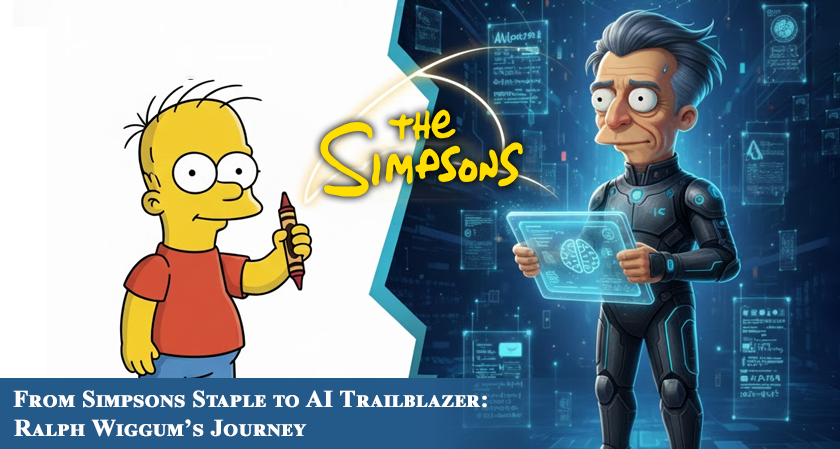
From Simpsons Staple to AI Tra...From Simpsons Staple to AI Trailblazer: Ralph Wiggum's Journey
The Silicon Review
07 January, 2026
Author:
The Silicon Review Team
The animated character Ralph Wiggum, a Springfield icon, now inspires a leading AI firm's name and philosophy, merging pop culture with cutting-edge artificial intelligence.
In a surprising turn bridging pop culture and high technology, one of animation's most beloved simpletons has become the namesake for a sudden powerhouse in artificial intelligence. The character Ralph Wiggum from The Simpsons, known for his unintentionally profound non-sequiturs, is now the face and philosophical inspiration for Wiggum AI, a firm making waves with its unconventional approach to machine learning. This move represents a bold branding strategy that leverages deep cultural recognition to demystify and humanize complex technology, setting it apart in an industry rife with sterile, technical nomenclature.
The strategic genius lies in the juxtaposition. Where competitors project an image of infallible logic, Wiggum AI embraces a paradigm of creative unpredictability, drawing from its namesake's innocent and often illogical perspective to solve problems outside standard algorithmic pathways. This approach matters because it challenges the core assumption that AI must only emulate rigid, hyper-rational thought. Early applications in creative industries and cognitive modeling for atypical data patterns have shown groundbreaking results, suggesting there is commercial and scientific value in programming for serendipitous discovery. The firm's rise highlights a growing appetite for AI that doesn't just optimize, but genuinely innovates in unexpected ways.
For the tech and venture capital community, Wiggum AI’s ascent signals a market ripe for narrative-driven disruption. It necessitates a reevaluation of what constitutes a viable AI branding strategy and intellectual pedigree. The forecast is for increased crossover between entertainment IP and deep tech, as story and character become tools for building public trust and developer culture. Decision-makers must look beyond traditional tech hubs for inspiration, recognizing that the next breakthrough in machine learning may come from a framework built not on mimicking genius, but on understanding the unique value of a different kind of mind altogether.