>>
Technology>>
Electric and concept cars>>
Why Commuter E-Bikes Need Fron...Why Commuter E-Bikes Need Front Suspension or Shock Absorption
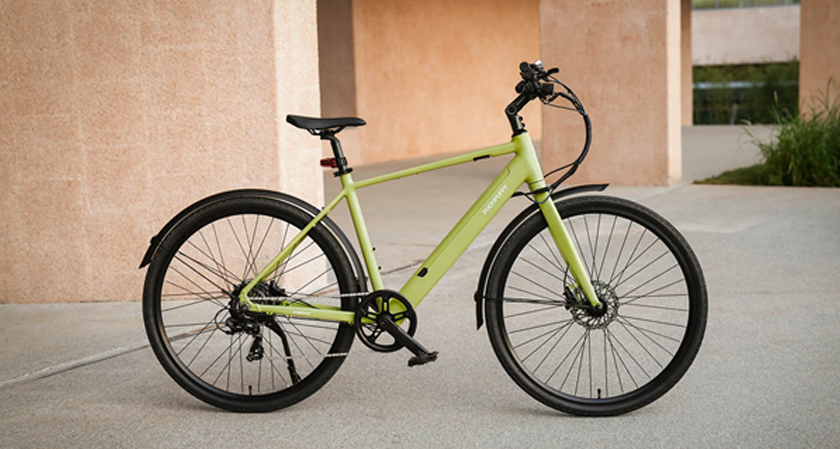
When people think about suspension, they often associate it with mountain biking or off-road trails. For commuter e-bikes, suspension is frequently seen as optional—or even unnecessary. But daily urban riding tells a very different story.
City streets are rough, unpredictable, and full of small impacts that add up over time. For commuters who ride every day, front suspension or shock absorption isn’t about performance—it’s about comfort, control, and long-term ride quality.
Do Commuter E-Bikes Really Need Front Suspension?
For most urban commuters, yes.
Commuter e-bikes are designed for frequent, repeat rides on imperfect roads. Without any form of shock absorption, every crack, pothole, and curb cut transfers impact directly to the rider’s body. Over time, this leads to fatigue, discomfort, and a less enjoyable commuting experience.
Front suspension helps smooth out these daily impacts, making riding more comfortable and sustainable in the long run.
What Are Urban Roads Actually Like for Daily Commuting?
Most city streets are far from smooth. Even well-maintained bike lanes include:
- Cracked asphalt
- Potholes and patchwork repairs
- Uneven pavement transitions
- Brick or concrete sections
- Poorly maintained curb ramps
Individually, these obstacles seem minor. But when encountered every day—often at speed—they create constant vibrations and sharp impacts that travel through the front wheel, handlebars, and into the rider’s hands and upper body.
Why Do E-Bikes Need Suspension More Than Regular Bikes?
Compared to traditional bicycles, e-bikes place greater demands on comfort systems.
Higher Average Speeds
Most commuter e-bikes travel at 15–28 mph. At higher speeds, even small bumps generate stronger impacts.
Heavier Overall Weight
E-bikes typically weigh between 20 and 30 kg. Increased mass amplifies the force transmitted through the frame when hitting uneven surfaces.
Longer, More Frequent Rides
Commuters often ride 30–90 minutes per day, five days a week. Small vibrations that feel manageable on a short ride quickly accumulate into fatigue over time.
Together, these factors make shock absorption far more important on e-bikes than on traditional commuter bikes.
How Front Suspension Improves Daily Commuting Comfort
Front suspension plays a key role in reducing rider fatigue.
By absorbing high-frequency vibrations and sharp impacts, a suspension fork reduces stress on the wrists, arms, shoulders, and neck. Riders experience less hand numbness and upper-body tension—especially on longer commutes.
For daily riders, comfort isn’t a luxury. It directly affects how consistently they choose to ride.
Does Front Suspension Make Commuting Safer?
Yes—comfort and safety are closely connected.
A suspension fork helps keep the front wheel in contact with the ground when riding over uneven surfaces. This improves steering control, braking stability, and overall confidence, especially on wet or damaged roads.
During emergency braking or sudden maneuvers, suspension reduces the risk of losing traction due to bumps or surface irregularities.
Is Front Suspension the Only Way to Add Shock Absorption?
Not necessarily.
Many commuter e-bikes use a system-based approach to shock absorption rather than full suspension.
Common solutions include:
- Front suspension forks
- Suspension seatposts
- Shock-absorbing stems
- Wider tires run at lower pressure
For urban commuting, full suspension is rarely necessary. However, some form of shock absorption is essential for long-term comfort.
As a general rule:
You don’t need full suspension—but you do need impact management.
What Happens If a Commuter E-Bike Has No Suspension?
Rigid commuter e-bikes can work—but they come with trade-offs.
Without shock absorption:
- Riders fatigue more quickly
- Small impacts feel harsher over time
- Hands and shoulders absorb repeated vibration
- Riders are more likely to skip rides
For occasional use, this may be acceptable. For daily commuting, it often leads to reduced enjoyment and consistency.
When Is Front Suspension Less Important?
There are situations where front suspension is less critical:
- Roads are consistently smooth
- Commute distances are very short (under 2 miles)
- Riding speeds are low
- Tires are wide enough to absorb vibration
However, most urban environments don’t meet all of these conditions. As commute distances increase or road quality decreases, the benefits of front suspension become more noticeable.
Why Suspension Matters for Long-Term E-Bike Ownership
The most important question for a commuter isn’t “Is this bike fast?”
It’s “Will I still enjoy riding this every day?”
Front suspension improves ride quality, reduces physical strain, and makes commuting more sustainable over months and years. Riders who feel comfortable are more likely to keep riding—and more likely to rely on their e-bike as a true transportation solution.
Should You Choose a Commuter E-Bike With Front Suspension?
For most urban riders, the answer is yes.
If your commute includes rough pavement, higher speeds, or longer distances, front suspension or shock absorption will significantly improve comfort, control, and overall ride quality.
It’s not about riding aggressively—it’s about arriving at work less fatigued and enjoying the ride home.
Conclusion
Front suspension on a commuter e-bike isn’t about off-road performance. It’s about smoothing out the realities of city riding and making daily commuting more comfortable, safe, and consistent.
For riders who depend on their e-bike every day, suspension isn’t an upgrade—it’s part of what makes commuting work.