>>
Industry>>
Architecture and interior design>>
Transforming Blank Walls into ...ARCHITECTURE AND INTERIOR DESIGN
Transforming Blank Walls into Inspiring Spaces with Thoughtful Wall Art
The Silicon Review
27 February, 2026
Author:
The Silicon Review Team
Wall art is a powerful design element that can instantly transform blank, lifeless walls into vibrant and inspiring visual statements. It has the ability to influence the mood of a room, highlight personal style, and bring cohesion to an interior design scheme. Whether it consists of paintings, prints, photographs, or decorative panels, wall art serves as both an aesthetic enhancement and a form of storytelling. In modern homes and workplaces, walls are no longer seen as mere structural components but as canvases that express creativity and individuality. By thoughtfully selecting and arranging wall art, any space can become more inviting, expressive, and visually balanced.
Understanding the Importance of Wall Art in Interior Design
Wall art plays a crucial role in interior design by adding depth, texture, and visual interest to otherwise plain spaces. Without wall art, rooms can feel incomplete and lacking personality. Artwork acts as a unifying element that ties together furniture, color schemes, and decorative accents. It also creates focal points that draw attention and establish visual hierarchy within a room. In open-plan layouts, wall art can help define different functional zones without the need for physical barriers. Additionally, art contributes to the emotional tone of a space, influencing how people feel and interact within it. For these reasons, wall art is considered an essential component of thoughtful and well-balanced interior design.
Exploring Various Types of Wall Art
There is a wide variety of wall art options available, each offering unique characteristics and visual appeal. Traditional paintings remain timeless choices that convey elegance and artistic craftsmanship. Canvas prints are widely popular due to their versatility, durability, and ability to showcase both photographs and artwork in a textured format. Framed posters and graphic prints provide modern and affordable decorative solutions suitable for contemporary interiors. Metal and acrylic wall art introduce sleek and reflective surfaces that work well in modern or industrial settings. Additionally, three-dimensional wall sculptures and mixed-media pieces add depth and dynamic visual interest, making them ideal for statement walls. Exploring different types of wall art allows homeowners to choose pieces that best suit their aesthetic preferences and functional needs.
Read More: https://www.wallpics.com/pages/canvas-prints
Choosing Wall Art Based on Room Purpose
Each room in a home serves a specific function, and wall art should complement that purpose. In living rooms, large statement pieces or curated gallery walls can create a welcoming and engaging atmosphere for social gatherings. Bedrooms benefit from calming artwork with soothing colors and themes that promote relaxation and comfort. In home offices, motivational art or creative visuals can enhance productivity and inspire focus. Dining areas can be enriched with elegant or thematic art that enhances the dining experience and adds sophistication. Even functional spaces like kitchens and hallways can be uplifted with cheerful prints or cohesive series of artworks that add personality without overwhelming the area. Aligning wall art with the purpose of each room ensures both aesthetic harmony and practical relevance.
The Role of Color and Theme in Wall Art Selection
Color and theme are critical factors when selecting wall art that complements an interior design scheme. Artwork that incorporates colors already present in the room helps create a cohesive and harmonious look. For example, soft pastel tones can enhance a serene environment, while bold and vibrant colors add energy and excitement to lively spaces. Themes also contribute to the storytelling aspect of wall art. Nature-inspired art introduces calmness and freshness, abstract designs encourage imagination and creativity, and cultural or travel-themed pieces reflect personal experiences and heritage. Carefully considering both color and theme allows wall art to seamlessly integrate into the overall décor while maintaining its unique visual impact.
Balancing Size, Scale, and Proportion
Achieving balance in wall art involves selecting pieces that match the size and scale of the room and surrounding furniture. Oversized artwork can create dramatic focal points in spacious rooms, while smaller pieces are more suitable for compact spaces where subtlety is desired. When placing art above furniture such as sofas or beds, the width of the artwork should generally be proportional to the furniture to maintain visual harmony. Multiple smaller artworks can be arranged in symmetrical or asymmetrical groupings to fill larger wall areas without overwhelming the space. Proper attention to size and proportion ensures that wall art enhances rather than disrupts the balance of a room.
Read More: https://www.wallpics.com/pages/canvas-photo-prints
Effective Placement Techniques for Visual Harmony
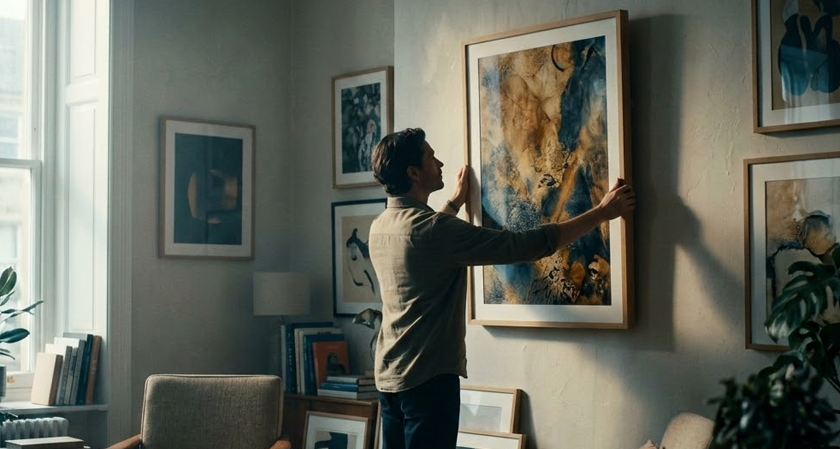
Placement is just as important as selection when it comes to maximizing the impact of wall art. Artwork should typically be hung at eye level, allowing viewers to comfortably appreciate the details and composition. Centering art above key furniture pieces creates a strong visual anchor that organizes the room’s layout. In long hallways, evenly spaced artworks can create a sense of continuity and movement. Staircases provide opportunities for creative vertical arrangements that guide the eye upward and add dynamic interest. Consistent spacing between frames and alignment with architectural features contribute to a polished and cohesive presentation. Thoughtful placement techniques ensure that wall art integrates seamlessly into the spatial design.
Personal Expression Through Customized Wall Art
One of the most meaningful aspects of wall art is its ability to reflect personal identity and experiences. Customized pieces such as family photographs, travel memories, or personalized illustrations allow individuals to showcase their unique stories and passions. This personalized approach transforms interiors into spaces that feel authentic and emotionally connected to their occupants. Rotating artwork over time can also keep décor fresh and aligned with changing tastes or life events. By incorporating customized wall art, homeowners can create environments that are not only visually appealing but also deeply meaningful and reflective of their journey.
The Psychological and Emotional Benefits of Wall Art
Wall art has a significant impact on emotional well-being and psychological comfort. Artwork with calming imagery and soft color palettes can help reduce stress and create a peaceful environment, particularly in bedrooms and relaxation areas. Bright and energetic art can uplift mood and stimulate creativity, making it ideal for living rooms, studios, or workspaces. Inspirational quotes and motivational visuals can encourage positivity and determination in study or office environments. Familiar and sentimental pieces provide a sense of comfort and belonging, reminding individuals of cherished memories and personal achievements. These psychological benefits highlight the importance of choosing wall art that resonates emotionally as well as aesthetically.
Maintaining and Preserving Wall Art for Longevity
Proper maintenance is essential to preserve the beauty and longevity of wall art. Regular dusting with a soft cloth helps maintain clarity and prevent buildup that may dull colors and textures. Avoiding prolonged exposure to direct sunlight reduces the risk of fading and material deterioration. Maintaining stable humidity levels is particularly important for canvas and paper-based artworks, as excessive moisture can cause warping or damage. Ensuring secure mounting hardware protects both the artwork and the wall from potential accidents. With proper care and attention, wall art can remain vibrant and visually appealing for many years, continuing to enhance the overall ambiance of interior spaces.
Read More: https://www.wallpics.com/pages/framed-wall-pictures
The Timeless Appeal of Wall Art in Evolving Design Trends
Despite changing design trends and evolving aesthetic preferences, wall art remains a timeless decorative element. Its adaptability allows it to fit seamlessly into traditional, modern, minimalist, or eclectic interior styles. As new technologies and printing techniques emerge, wall art continues to evolve, offering innovative formats and customization options that cater to diverse tastes. Sustainable and eco-friendly art materials are also gaining popularity, reflecting growing environmental awareness in interior design. The enduring appeal of wall art lies in its ability to combine artistic beauty with personal expression, making it a lasting and versatile feature in any space.
Frequently Asked Questions (FAQ)
How do I choose the right wall art for my home?
Start by considering the room’s purpose, color scheme, and overall design style. Select artwork that complements these elements while reflecting your personal taste and emotional connection.
Can large wall art make a small room look bigger?
Yes, strategically placed large artwork with light colors or perspective imagery can create an illusion of depth and openness, making small spaces appear more spacious.
Should wall art match the room’s color palette exactly?
Exact matching is not necessary. Complementary or contrasting colors can both work effectively, depending on whether you want a harmonious or bold visual impact.
How many pieces of wall art should be displayed in one room?
The number depends on the room size and style preference. A single statement piece works well for minimalist interiors, while multiple artworks are ideal for gallery-style displays.
Is it okay to mix different art styles on one wall?
Yes, mixing styles can create a unique and dynamic display, as long as there is a unifying element such as a consistent color palette or frame style.
How often should wall art be updated or replaced?
Updating wall art periodically can refresh the look of a space and reflect evolving tastes, seasonal themes, or new personal experiences.
Conclusion
Wall art is an essential and transformative element in interior design, capable of enhancing aesthetics, expressing personality, and influencing emotional well-being. By thoughtfully selecting types, colors, sizes, and placement techniques, individuals can turn blank walls into meaningful focal points that enrich their living and working environments. Its versatility, timeless appeal, and ability to adapt to changing trends make wall art a valuable investment for any space. With proper care and intentional design choices, wall art continues to provide lasting beauty, inspiration, and a strong sense of identity within every interior it adorns.