>>
Industry>>
Industrial Automation>>
The Role of Advanced Equipment...The Role of Advanced Equipment in Improving Efficiency Across Industrial Operations
The Silicon Review
21 April, 2026
Author:
The Silicon Review Team
Industrial operations have always depended on efficiency, but the meaning of efficiency has evolved. It is no longer just about completing tasks faster, it’s about optimizing every step of the process, reducing downtime, and maintaining consistent performance across demanding environments. As industries expand and workloads become more complex, advanced equipment has become a central factor in maintaining operational balance.
From manufacturing plants to logistics hubs, modern tools are designed to handle tasks that once required extensive manual labor. These systems not only improve speed but also enhance precision, safety, and long-term cost management. However, their true value lies in how they integrate into broader operational strategies. When used correctly, advanced equipment transforms workflows, reduces inefficiencies, and allows businesses to operate at a higher level of consistency and reliability.
How Industrial Equipment Drives Operational Efficiency
At its core, advanced equipment is designed to streamline repetitive and large-scale tasks. Machines can perform with a level of consistency that manual processes cannot match, reducing variability and improving overall output quality. This is particularly important in industries where precision and timing are critical.
Automation and specialized machinery also reduce the physical strain on workers, allowing teams to focus on oversight and strategic tasks rather than continuous manual labor. This shift improves productivity while also contributing to safer working conditions.
In addition, modern equipment is built with durability in mind. Industrial-grade machines are engineered to operate under demanding conditions, ensuring that performance remains stable over extended periods. This reliability reduces interruptions and supports smoother day-to-day operations, which is essential for maintaining efficiency at scale.
The Importance of Industrial Cleaning Systems
Cleanliness plays a crucial role in maintaining efficient operations, especially in industries where machinery, surfaces, and equipment are exposed to heavy use. Dirt, grease, and residue can interfere with performance, increase wear, and create safety risks if not managed properly.
Advanced cleaning systems, including high-pressure washers, are designed to address these challenges effectively. Equipment available through https://hotsysouthtexas.com/ reflects how industrial cleaning solutions are tailored to handle demanding environments, from construction sites to manufacturing facilities. These systems are built for durability and are capable of removing grease, oil, and contaminants that standard cleaning methods cannot handle efficiently.
Hot water pressure washers, in particular, are widely used because they cut through heavy buildup and sanitize surfaces more effectively than cold water alone. This level of cleaning not only improves hygiene but also helps extend the lifespan of machinery by preventing the accumulation of damaging substances.
Reducing Downtime Through Preventative Maintenance
Efficiency is not just about how quickly tasks are completed, it is also about minimizing interruptions. Downtime can be one of the most costly issues in industrial operations, often caused by equipment failure or inadequate maintenance.
Advanced equipment supports preventative maintenance by making it easier to keep systems in optimal condition. Regular cleaning, inspections, and minor adjustments help identify potential issues before they become major problems. This proactive approach reduces the likelihood of unexpected breakdowns and keeps operations running smoothly.
Cleaning equipment plays a particularly important role in this process. Removing debris and buildup ensures that machines can operate without unnecessary strain, which helps maintain consistent performance. When maintenance becomes part of the routine rather than a reactive measure, overall efficiency improves significantly.
Specialized Equipment for Targeted Applications
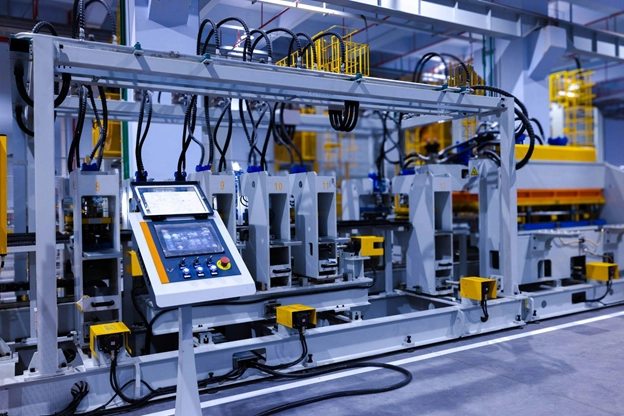
Not all industrial environments are the same, and efficiency depends on using the right tools for specific tasks. Specialized equipment is designed to address unique operational challenges, allowing businesses to achieve better results with less effort.
For example, in industries that require heavy-duty vehicle modifications or rugged performance upgrades, components like a jeep wrangler front bumper are engineered to provide durability, protection, and functional adaptability. These types of components are designed to withstand harsh conditions while supporting operational needs such as off-road navigation or equipment transport.
This level of specialization highlights a broader principle: efficiency improves when tools are aligned with their intended use. Generic solutions may offer convenience, but purpose-built equipment delivers more reliable and consistent results over time.
Improving Safety and Work Conditions
Advanced equipment does more than increase productivity, it also enhances safety within industrial environments. By reducing the need for manual labor in high-risk tasks, modern machinery helps minimize the likelihood of accidents and injuries.
For example, automated cleaning systems eliminate the need for workers to manually scrub hazardous surfaces, while precision tools reduce errors that could lead to equipment damage or unsafe conditions. This shift toward safer processes not only protects workers but also contributes to more stable operations.
Safety improvements also have a direct impact on efficiency. Fewer accidents mean fewer disruptions, lower costs associated with downtime, and a more reliable workflow overall. When safety and efficiency are aligned, operations become more sustainable and easier to manage.
Integration and System-Wide Efficiency
The true potential of advanced equipment is realized when it is integrated into a cohesive system. Individual tools can improve specific tasks, but the greatest gains come from how those tools work together within the broader operation.
Modern industrial environments often rely on interconnected systems where equipment communicates and adapts based on real-time data. This allows for more precise control, better resource allocation, and faster response to changing conditions.
Integration also supports scalability. As operations grow, equipment that is designed to work within a system can be expanded or upgraded without disrupting existing processes. This flexibility ensures that efficiency improvements are not limited to a single phase but continue to evolve alongside the business.





















