>>
Industry>>
Lifestyle and fashion>>
Cordless vs Corded Pool Cleane...Cordless vs Corded Pool Cleaners: Which Is Better for Swimming Pools?
The Silicon Review
18 May, 2026
Author:
Guest
Modern pool owners expect more from home equipment than they used to. A pool cleaner is no longer judged only by whether it can pick up dirt. Homeowners also care about setup time, storage, cable clutter, cleaning coverage, safety around the deck, and whether the cleaner fits into a normal weekly routine.
That is why the corded versus cordless question matters. Corded pool cleaners can offer steady power and long cleaning sessions. Cordless models appeal to owners who want less cable management, quicker setup, and a cleaner-looking pool area.
Neither option is automatically better for every pool. The better choice depends on pool size, debris level, cleaning zones, runtime needs, and how often the owner actually runs the cleaner.
How Corded and Cordless Pool Cleaners Work
Corded Cleaners Use Continuous Power
Corded robotic pool cleaners connect to an external power supply through a waterproof cable. Their main advantage is continuous power. They do not need to pause for recharging, which can be useful for larger pools, longer cycles, or owners who want a cleaner to run for an extended period.
The trade-off is handling. A cable needs to be placed, managed, untangled, checked, and stored. In some pool shapes, the cable may twist or get in the way. Around a busy pool deck, it can also feel like one more thing to move before swimming or entertaining.
Cordless Cleaners Use Rechargeable Batteries
Cordless pool cleaners use onboard batteries, so they do not need a cable in the water during cleaning. This makes them easier to place in the pool, remove, and store. For many homeowners, that convenience is the biggest selling point.
The trade-off is battery management. Runtime, charging time, battery care, and cleaning coverage all matter. A cordless cleaner is most useful when one cycle can handle the pool’s normal debris load. If the pool is large or heavily neglected, it may need another cycle, extra skimming, or more manual cleanup.
Convenience Is Where Cordless Cleaners Stand Out
The main reason homeowners look at cordless cleaners is simple: fewer steps. There is no cable to lay across the deck, no hose to connect, and less clutter around the pool area. That makes routine cleaning easier after wind, rain, weekend swimming, or a last-minute gathering.
Cordless design can also make the pool feel more usable. The cleaner can be removed before swimming, stored away more easily, and brought out when the pool needs a quick reset.
The real advantage is repeatability. If a cleaner is easy to use, owners are more likely to run it before the pool becomes a bigger job.
Power, Runtime, and Cleaning Performance Need a Closer Look
Corded Models Can Be Strong for Long Cleaning Sessions
Corded models can still be a smart choice for certain pools. Large pools, heavy debris, long cleaning cycles, or demanding seasonal cleanups may benefit from continuous power. Owners do not have to think about battery level before starting the cleaner.
That said, power is not the only factor. A strong corded cleaner that is annoying to set up may get used less often. A pool-cleaning tool only helps when it fits the owner’s actual habits.
Cordless Models Work Best When Matched to the Right Pool
Cordless cleaners work best when their runtime, filtration, basket size, and cleaning coverage match the pool. A small to medium pool with regular maintenance may be a great fit. A larger pool with heavy leaves may need closer attention to battery life and basket capacity.
Surface debris is another part of the decision. For owners who deal with floating leaves, insects, or pollen, a skimmer pool setup can help manage debris before it sinks, while a floor-focused cleaner handles settled dirt. In many modern pools, the best cleaning routine considers both surface mess and debris that collects on the floor, walls, or waterline.
Routine cleaning is different from rescue cleaning. A cordless cleaner may handle weekly debris well, but a pool full of storm debris, algae, or heavy settled dirt may still need extra brushing, skimming, filtration, and possibly more than one cleaning cycle.
Which Cleaner Fits Different Modern Pool Setups?
Before buying, homeowners should match the cleaner to the pool rather than choosing based only on corded or cordless design. A quick routine-cleaning pool has different needs from a large pool surrounded by trees. A pool with oily waterline buildup has different needs from one that mostly collects dust on the floor.
A robotic pool vacuum comparison can help owners think through the real question: which tasks are taking the most time, and which type of cleaner will reduce them most consistently?
Where a Cordless Cleaner Fits Into Modern Pool Care
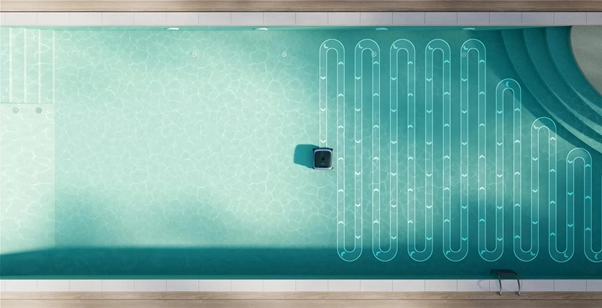
For homeowners who want a cleaner routine without managing a long cable every time, Beatbot Robotic Pool Cleaner AquaSense 2 Pro can serve as a practical cordless option for modern pool care. It is designed for owners who want help with recurring debris across the floor, walls, waterline, and surface-related areas, which are often the places that make pool cleaning feel repetitive.
A realistic use case is easy to picture. After a windy afternoon or a weekend swim, the owner can run Beatbot Robotic Pool Cleaner AquaSense 2 Pro while checking water chemistry, rinsing the skimmer basket, or getting the backyard ready for evening use. The value is not just that it is cordless. The value is that cleaning becomes easier to repeat before debris sits too long.
Beatbot Robotic Pool Cleaner AquaSense 2 Pro can reduce manual brushing, skimming, and vacuuming, but it does not replace filtration, water testing, chemical balance, equipment care, or safe pool habits.
Safety, Storage, and Long-Term Ownership
Both corded and cordless cleaners need proper handling. Corded cleaners require attention to cable condition, safe electrical setup, and storage. Cordless cleaners require proper charging, battery care, dry storage as recommended, and regular basket or filter cleaning.
Long-term ownership matters as much as first impressions. Homeowners should check warranty coverage, replacement filters, brushes, tracks, chargers, app reliability, and how easy the cleaner is to rinse after each cycle.
A cleaner that performs well but is hard to maintain may become another chore. A good cleaner should reduce friction over time.
Choosing the Cleaner That Matches Your Pool Routine
Cordless pool cleaners are changing modern pool care because they reduce setup and make cleaning easier to repeat. Corded cleaners still have a place, especially for long, demanding cleaning sessions where continuous power matters.
The best choice depends on pool size, debris load, runtime, cleaning zones, filtration, battery care, cable management, and long-term support. A cleaner should match how the pool gets dirty, not just what looks best on a product page.
For many modern homeowners, the right cleaner is the one that gets used often. If cordless convenience makes cleaning more consistent, it can be the better fit. If the pool needs long, power-heavy cleaning sessions, corded may still make sense. The goal is not to choose the trendiest option, but the one that keeps the pool easier to manage all season.