>>
Industry>>
Architecture and interior design>>
How to Choose a Paint Color:...ARCHITECTURE AND INTERIOR DESIGN
How to Choose a Paint Color: House Painting, Remodeling, and Restoration Tips for a Cohesive Home
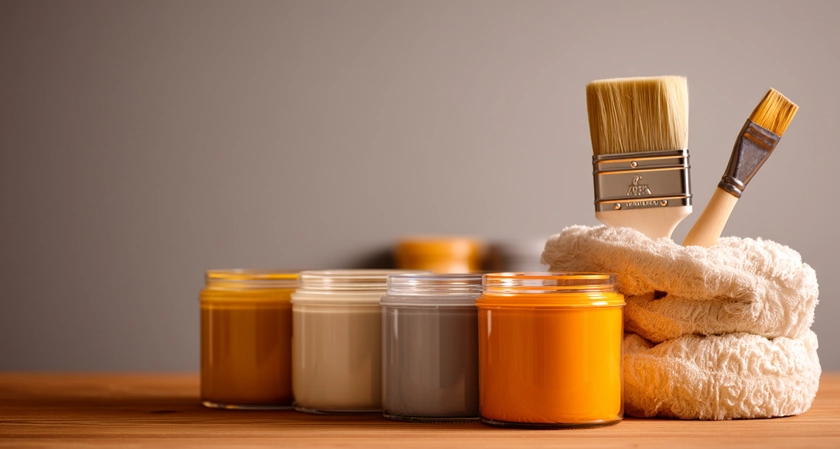
The Silicon Review
12 May, 2026
Author:
Guest
Choosing a paint color seems simple until the sample goes on the wall. A color that looked perfect online can feel too yellow, too gray, too dark, or completely different once it is inside your home. That is because paint color is affected by lighting, flooring, trim, furniture, wall texture, exterior materials, and even the time of day.
The best paint color is not just the one that looks good on a swatch. It is the color that works with the home as a whole. Whether you are repainting a bedroom, updating your exterior, refreshing a kitchen, or preparing for a larger remodel, the right color should feel intentional, balanced, and practical.
This guide explains how to choose a paint color that fits your space, supports your design goals, and helps your home feel more polished.
Start With the Room or Exterior Area You’re Painting
Before looking at paint samples, start with the purpose of the space. A color that works beautifully in a living room may not be the best choice for a bathroom, kitchen, or exterior siding.
Interior Paint Color Planning
For interior rooms, think about how the space is used every day. Bedrooms often benefit from calming colors, while kitchens and living rooms may need warmer, more inviting tones. Home offices can handle deeper or more focused colors, while hallways usually look best with flexible neutrals that connect multiple rooms.
Ask yourself:
- Do I want the room to feel bigger or cozier?
- Should the color feel calm, bright, warm, or dramatic?
- Does the room get a lot of natural light?
- Will this color connect well with nearby rooms?
Paint color should support the function of the space, not fight against it.
Exterior Paint Color Planning
Choosing an exterior paint color requires a slightly different approach. Exterior colors need to work with features that are not easy to change, such as the roof, stone, brick, driveway, landscaping, windows, and neighborhood style.
A beautiful exterior color can improve curb appeal, but a color that clashes with the roof or brick can make the home feel disconnected. For exteriors, it is usually better to choose a cohesive palette instead of selecting a color in isolation.
Understand Lighting Before Choosing a Paint Color
Lighting is one of the biggest reasons paint colors look different from one home to another.
Natural Light Changes Color Throughout the Day
A room’s direction affects how paint appears. North-facing rooms often receive cooler light, which can make colors look more gray or blue. South-facing rooms usually get warmer, brighter light, which can make colors feel softer and more vibrant.
East-facing rooms may look bright and warm in the morning but cooler later in the day. West-facing rooms can feel neutral during the morning and much warmer in the afternoon.
This is why it is important to test paint colors in the actual room before making a final decision.
Artificial Lighting Affects Paint Tone
Light bulbs also influence paint color. Warm bulbs can make whites, creams, and beiges look more yellow. Cool bulbs can make grays and whites feel sharper or slightly blue.
If a room is mostly used at night, test samples under the lighting you actually use. A color that looks perfect in daylight may feel completely different under recessed lighting, lamps, or vanity lights.
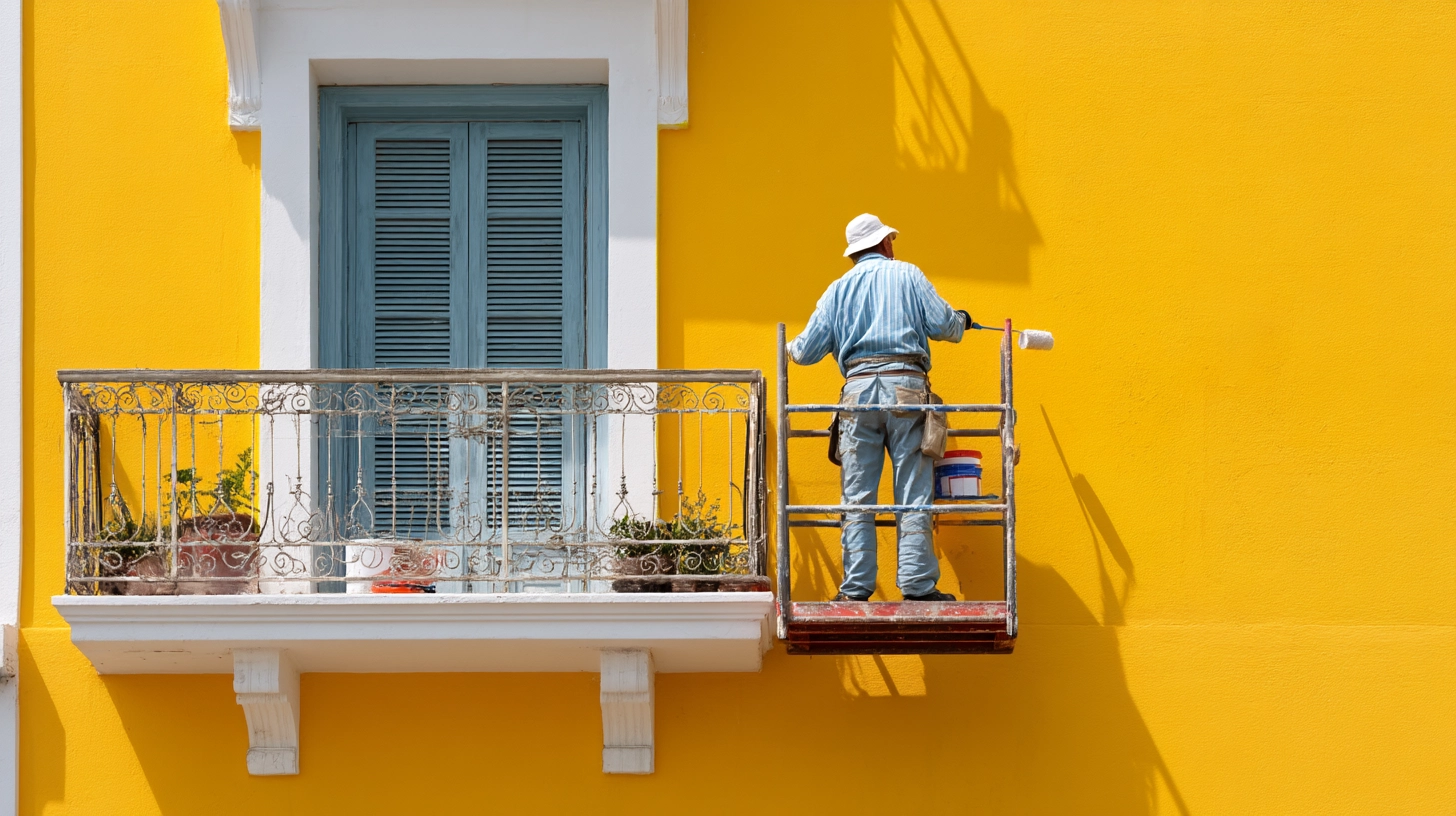
Exterior Sun Exposure Matters
Exterior colors also shift depending on sunlight. Direct sun can wash out colors, making them appear lighter. Shaded areas may make colors look darker or cooler.
For exterior paint, test samples on different sides of the home if possible. The same color can look different on the front elevation, shaded side yard, and sun-exposed garage.
Pay Attention to Undertones
Undertones are subtle background colors that influence how paint looks once applied.
What Are Paint Undertones?
A white paint may have yellow, gray, pink, or green undertones. A gray paint may lean blue, green, purple, or beige. Even neutral colors are rarely completely neutral.
Warm undertones include beige, cream, yellow, red, and orange. Cool undertones include blue, green, gray, and purple.
Understanding undertones helps prevent colors from clashing with flooring, cabinets, counters, trim, or exterior materials.
Match Undertones With Existing Finishes
Before choosing a paint color, look at the finishes that are already in the home.
For interiors, consider:
- Flooring
- Cabinets
- Countertops
- Tile
- Trim
- Fireplace materials
- Large furniture pieces
For exteriors, consider:
- Roof color
- Brick or stone
- Siding material
- Garage doors
- Window frames
- Concrete or pavers
If your flooring has warm undertones, a cool gray wall color may feel off. If your brick has red or orange tones, an exterior color with the wrong undertone can clash.
Common Undertone Mistakes
One common mistake is choosing a gray that turns blue once it is on the wall. Another is choosing a white that looks clean on the swatch but appears yellow next to cooler trim.
Beige can also be tricky. Some beige paints lean pink, yellow, or green depending on the lighting and surrounding materials.
The safest approach is to compare paint samples directly against the fixed finishes in the room.
Use Existing Home Features as Your Color Guide
Your home already has a built-in color palette. The best paint colors usually work with that palette rather than competing against it.
Interior Fixed Features
Interior paint should coordinate with permanent or semi-permanent features such as cabinets, flooring, countertops, fireplace stone, built-ins, and large furniture.
If you are painting a kitchen, cabinet and countertop colors should guide the wall color. If you are painting a living room, flooring and furniture may be the strongest influences.
Exterior Fixed Features
Exterior colors should work with roofing, stone, brick, siding, windows, trim, and landscaping. These features create the foundation of the exterior palette.
When paint color decisions are part of a larger repair, remodel, or exterior update, homeowners may look at companies like Golden Coast Construction & Restoration to better understand how construction, restoration, and finish choices work together.
The more permanent the feature, the more influence it should have on your color choice.
Choose a Paint Color Based on the Feeling You Want
Color affects the mood of a space. Before choosing a shade, think about how you want the room or exterior to feel.
Warm and Inviting Colors
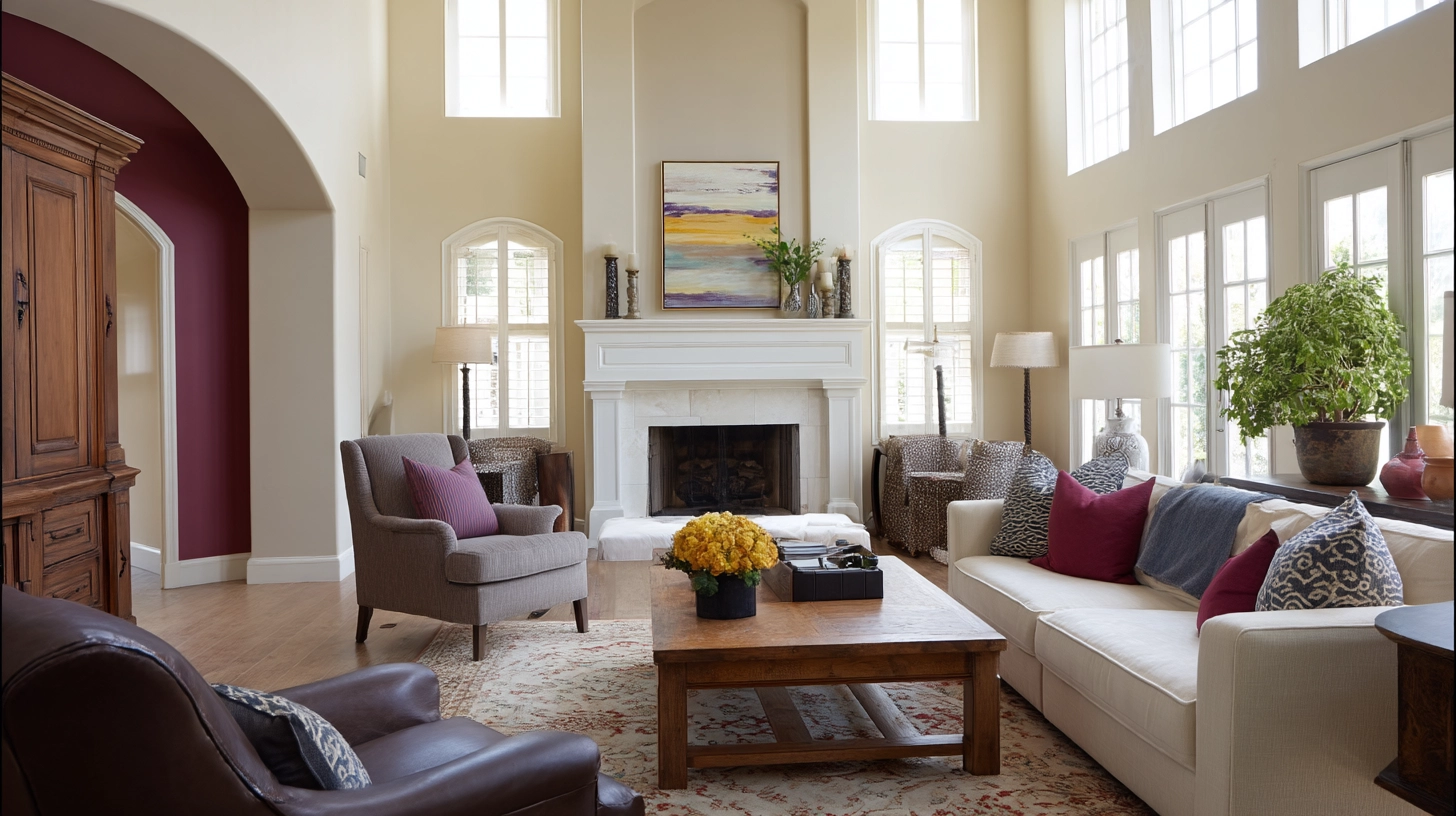
Creams, taupes, warm whites, and muted browns can make a space feel comfortable and welcoming. These colors work well in living rooms, bedrooms, dining rooms, and family spaces.
Warm neutrals are also popular because they feel timeless and pair well with wood tones, stone, and natural textures.
Calm and Relaxing Colors
Soft greens, muted blues, gentle grays, and warm whites can create a peaceful atmosphere. These colors are often used in bedrooms, bathrooms, and quiet sitting areas.
The key is choosing muted tones rather than overly bright versions, especially if the goal is relaxation.
Bold and Dramatic Colors
Deep greens, charcoal, navy, and rich brown-black tones can work beautifully when used intentionally. These colors are popular for dining rooms, offices, accent walls, doors, cabinetry, and exterior accents.
Bold colors work best when balanced with lighter trim, natural materials, or strong lighting.
Timeless Neutral Colors
Neutral paint colors remain popular because they offer flexibility. However, neutral does not have to mean boring. Warm whites, greige, mushroom tones, soft taupes, and muted clay shades can create depth while still feeling classic.
Test Paint Samples Before Committing
Paint samples are one of the most important parts of the selection process.
Paint Large Sample Areas
Small swatches are often misleading. Paint a large sample area on the wall, ideally at least two coats, so you can see the true color.
Place samples near flooring, trim, cabinets, and major finishes so you can compare undertones.
View Samples at Different Times
Look at samples in the morning, afternoon, evening, and nighttime lighting. Also check them on sunny and cloudy days if possible.
A color that looks perfect in morning light may feel too dark or too warm later in the day.
Compare Multiple Shades
Choose three to five paint colors in the same family and test them side by side. This makes undertones easier to identify and helps you eliminate options that clash with the space.
Do not rush this step. Testing paint properly can prevent costly repainting later.
Think About Paint Finish Along With Color
Color and finish work together. The same paint color can look different depending on sheen.
Interior Paint Finishes
Flat and matte finishes create a soft appearance but are less washable. Eggshell and satin finishes are common for walls because they offer more durability. Semi-gloss is often used for trim, doors, kitchens, and bathrooms because it is easier to clean.
Exterior Paint Finishes
Exterior siding is often painted with flat or low-sheen finishes, while trim and doors may use satin or semi-gloss for added durability and contrast.
Higher sheen reflects more light and can make colors appear brighter. Matte finishes soften color but may show wear faster in high-traffic or moisture-prone areas.
When Professional Paint Guidance Helps
Some paint decisions are simple. Others are more complex, especially when multiple rooms, exterior materials, or remodeling decisions are involved.
Complex Color Decisions
Professional input can be helpful for open-concept homes, exterior color changes, historic homes, detailed architecture, or spaces with multiple finishes.
A color that works in one room must often transition well into another, especially in homes with open layouts.
Better Surface Preparation and Application
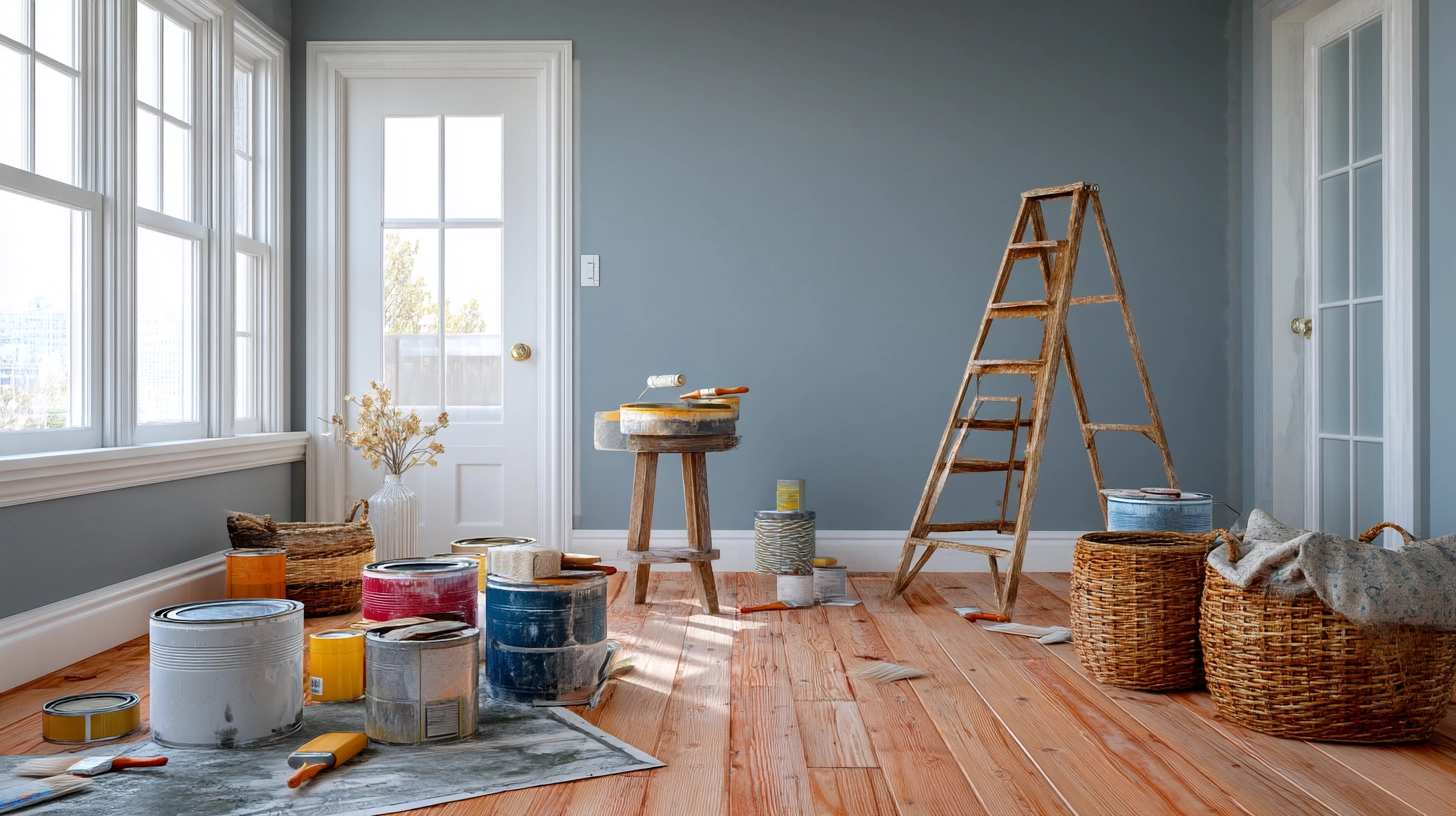
Even the right color can look poor if the surface is not prepared correctly. Patching, sanding, cleaning, priming, and caulking all affect the final result.
For homeowners who want help with color selection, prep work, and clean application, professional house painting services can make the final result look more consistent and polished.
Quality preparation helps paint look smoother, last longer, and perform better over time.
Common Paint Color Mistakes to Avoid
Choosing paint is easier when you know what mistakes to watch for.
Choosing a Color From a Screen
Online photos are helpful for inspiration, but they are not reliable for final color selection. Screen brightness, filters, lighting, and editing can all distort paint colors.
Always test physical samples in the actual space.
Ignoring Trim and Ceiling Colors
Trim and ceiling colors affect how wall paint appears. A warm white wall can look yellow next to cool white trim. A ceiling color can also make a room feel taller, warmer, darker, or more enclosed.
Following Trends Without Considering the Home
Trendy colors can look great in the right setting, but they should still match the home’s architecture, lighting, and finishes.
A timeless palette usually works better long term than a color chosen only because it is currently popular.
Forgetting About Resale Value
Bold colors can be beautiful, but balance matters. If resale value is a priority, cohesive neutrals and classic exterior palettes often appeal to more buyers.
Final Thoughts
Learning how to choose a paint color is about more than picking a shade you like. Lighting, undertones, flooring, trim, furniture, roof color, exterior materials, and paint finish all influence the final result.
The best paint color should work with the actual home, not just an inspiration photo. By testing samples, studying undertones, and considering the surrounding features, homeowners can choose colors that feel intentional, practical, and visually cohesive.
Whether painting one room or refreshing an entire exterior, the right color can make a home feel cleaner, more updated, and more complete.