>>
Industry>>
Travel and hospitality>>
Western Europe Intercity: Seam...Western Europe Intercity: Seamless Connections Across the Low Countries and Ireland
The Silicon Review
13 July, 2026
Author:
The Silicon Review Team
Travelling through Western Europe has never been easier. Modern rail networks, efficient public transport and well-connected cities allow visitors to experience multiple destinations without the need for long drives or complicated travel plans. The Low Countries and Ireland are particularly rewarding for travellers who enjoy combining vibrant capitals, charming historic towns and picturesque countryside within a single itinerary. Whether your interests lie in architecture, local cuisine, museums or coastal scenery, these regions offer a perfect balance of culture and convenience.
Amsterdam's Canals and Creative Spirit
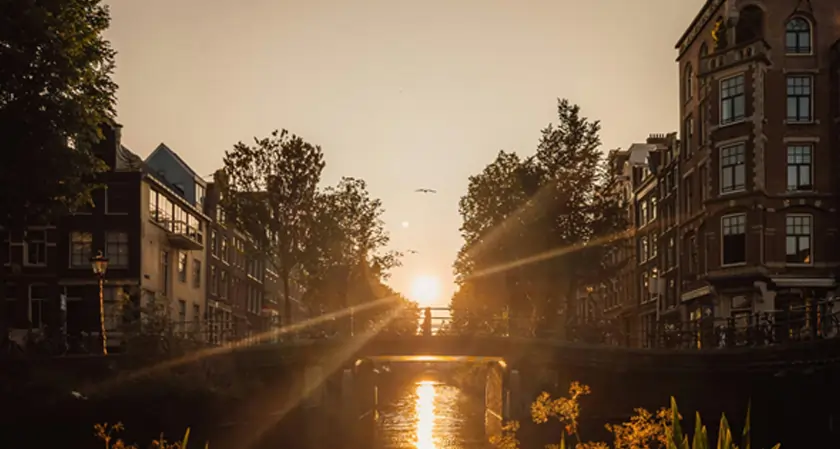
Amsterdam welcomes visitors with an atmosphere unlike any other European capital. Elegant canal houses line peaceful waterways, cyclists fill the streets and centuries of history blend effortlessly with a modern, creative lifestyle.
The city's famous museums attract art lovers from around the world, while neighbourhoods such as Jordaan offer boutique shops, cosy cafés and quiet canals away from the busiest tourist areas. Visitors can spend hours exploring local markets, relaxing in leafy parks or taking a canal cruise that reveals Amsterdam from an entirely different perspective.
Despite its popularity, Amsterdam continues to reward those willing to wander beyond the main attractions.
Effortless Travel Across the Low Countries
One of the greatest advantages of exploring this part of Europe is its outstanding railway network. Fast, comfortable services connect major cities in a matter of hours, allowing travellers to maximise their time exploring rather than sitting in airports.
Many visitors choose trains from Amsterdam to Brussels, enjoying a smooth journey between two fascinating capitals while watching the Dutch countryside gradually transition into Belgium's picturesque landscapes.
Rail travel also makes spontaneous day trips simple, giving visitors the flexibility to discover smaller towns that are often overlooked.
Brussels Beyond the Grand Place
Belgium's capital is frequently underestimated, yet it offers a remarkable blend of history, politics and gastronomy.
The magnificent Grand Place remains one of Europe's most beautiful squares, surrounded by richly decorated guild houses that reflect the city's prosperous past. Nearby streets are filled with artisan chocolate shops, traditional cafés and independent boutiques where visitors can sample Belgian specialities.
Brussels is also home to impressive museums, beautiful parks and neighbourhoods where striking Art Nouveau architecture adds character to everyday streets. The city's multicultural atmosphere creates an exciting mix of cuisines and cultural influences.
Crossing the Irish Sea
After exploring the Low Countries, Ireland introduces an entirely different landscape. Rolling green hills, dramatic coastlines and welcoming towns create an atmosphere that feels both peaceful and full of character.
Dublin serves as an excellent starting point, offering a fascinating combination of literary history, Georgian architecture and lively social traditions. The city's compact centre makes it easy to explore on foot, with many major attractions located within comfortable walking distance.
From Dublin to Ireland's Wild West
Ireland's railway system offers a relaxing way to experience the country's changing scenery.
Travelling on the Dublin to Galway train takes passengers through rolling farmland, quiet villages and open countryside before arriving in one of Ireland's most vibrant coastal cities. The comfortable journey allows travellers to appreciate the landscape while avoiding the stress of driving unfamiliar roads.
Galway's colourful streets, lively music scene and Atlantic location make it one of Ireland's most memorable destinations.
Local Traditions and Everyday Culture
One of the pleasures of travelling through both regions is experiencing local customs that remain an important part of daily life.
In the Netherlands, outdoor cafés and bustling flower markets create a relaxed atmosphere throughout the warmer months. Belgium celebrates its brewing traditions alongside artisan chocolate making, while Ireland is famous for its storytelling, traditional music and warm hospitality.
Taking time to visit neighbourhood markets, attend local festivals or simply enjoy conversations with residents often becomes just as rewarding as visiting famous landmarks.
Tastes of Western Europe
Every destination along this journey introduces distinctive flavours shaped by local history and regional ingredients.
Dutch cuisine features hearty classics alongside excellent cheeses and freshly baked pastries. Belgium tempts visitors with waffles, moules-frites, rich stews and world-renowned chocolates. Ireland completes the journey with fresh seafood, artisan cheeses, hearty comfort food and traditional baked goods.
Sampling regional dishes is one of the easiest ways to connect with local culture, particularly when dining in family-owned restaurants or independent cafés.
Historic Streets Meet Modern Living
Although these destinations celebrate their heritage, they also embrace innovation and contemporary design.
Amsterdam showcases sustainable urban planning and world-class cycling infrastructure. Brussels balances historic squares with modern European institutions, while Dublin blends centuries-old buildings with a thriving technology sector. Galway adds an artistic energy through festivals, galleries and live performances that fill its streets throughout the year.
This combination of history and progress gives each city a dynamic atmosphere that appeals to travellers of all ages.
Planning an Enjoyable Multi-City Adventure
Exploring the Low Countries and Ireland together is surprisingly straightforward thanks to excellent transport connections and compact city centres. Comfortable footwear, flexible itineraries and a willingness to explore beyond the main attractions will help travellers discover hidden corners that many visitors miss.
Allowing extra time for spontaneous discoveries, whether it's a quiet canal in Amsterdam, a family-run café in Brussels or an evening of traditional music in Galway, often creates the most treasured memories of the entire journey.
Discovering More Than the Major Attractions
While the best-known cities provide an excellent introduction to the region, setting aside time for smaller destinations can make a journey even more rewarding. Quaint Dutch villages, peaceful Belgian towns and Ireland's lesser-known coastal communities offer a slower pace and a chance to experience local life away from busy tourist hotspots. Independent galleries, weekly markets, historic harbours and scenic walking trails reveal another side of Western Europe, where authentic encounters often become the highlights of the trip. Including a few less-familiar stops adds variety to the itinerary and creates a richer understanding of the region's diverse character.
Conclusion
The Low Countries and Ireland demonstrate how rewarding multi-city travel can be when destinations are connected by efficient transport and rich cultural experiences. From Amsterdam's elegant canals and Belgium's historic squares to Dublin's literary heritage and Galway's coastal charm, every stop offers its own distinctive atmosphere. Outstanding rail connections, welcoming local communities and diverse traditions make exploring this part of Europe both simple and deeply satisfying. For travellers seeking a journey that combines convenience with unforgettable experiences, Western Europe's interconnected cities provide countless reasons to return again and again.






















Comments