>>
Technology>>
Artificial intelligence>>
How AI Is Redefining Digital C...How AI Is Redefining Digital Creativity and the Future of Video Production
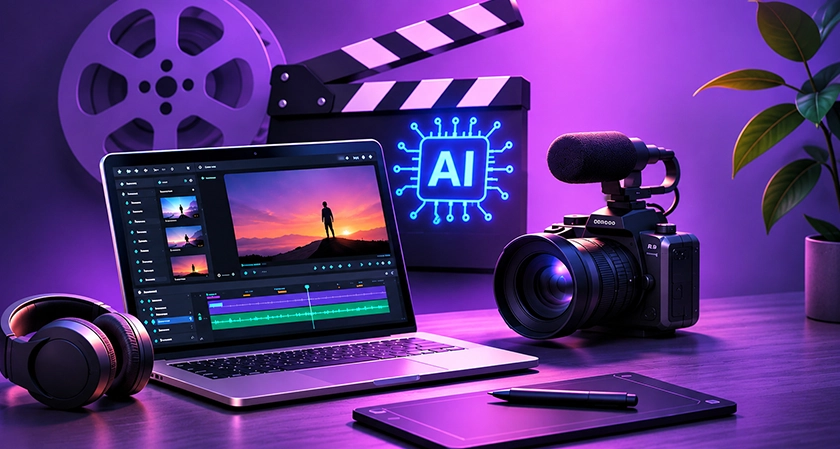
Artificial intelligence is transforming the digital content industry by introducing faster, smarter, and more flexible ways to create visual experiences. From automated graphic design to advanced video production, AI-powered technologies are helping creators turn imaginative concepts into professional content with less time and effort. As businesses and individuals increasingly rely on digital media, these innovations are becoming an important part of modern creative workflows.
The Evolution of AI in Digital Content Creation
Traditional content production often requires specialized software, technical expertise, and significant production time. Artificial intelligence is changing this process by automating repetitive tasks and providing intelligent tools that simplify creative work.
Creators can now generate images, develop video scenes, enhance existing footage, and experiment with different visual styles using AI-powered platforms. These capabilities are especially valuable for social media marketers, independent creators, advertising agencies, and businesses that regularly produce digital content.
AI is also making creative experimentation more accessible. Users can explore multiple concepts, adjust visual elements, and refine their ideas without having to rebuild an entire project from the beginning.
Making Video Production More Creative With AI
Video production is one of the areas experiencing significant improvements through artificial intelligence. Modern AI systems can transform written descriptions and visual references into dynamic video sequences, helping creators bring their ideas to life.
Advanced models such as seedance 2.5 flash demonstrate how AI technology is expanding the possibilities of video generation. These models help streamline the creative process by allowing users to experiment with motion, visual storytelling, and different scene concepts.
This development is particularly useful for creators who want to produce promotional videos, cinematic clips, educational content, and engaging social media material without relying entirely on traditional filming methods.
Creating Smooth Visual Experiences With Intelligent Transitions
A successful video requires more than attractive individual scenes. The way one scene connects to another also plays an important role in maintaining visual consistency and audience engagement.
Modern editing technologies are making it easier to create professional scene changes through AI video transitions. These transitions can introduce creative movement, smooth visual transformations, and more natural connections between different clips.
Instead of manually adjusting every transition, creators can use AI-assisted workflows to explore different effects and improve the overall flow of their videos. This is particularly useful for short-form videos, advertisements, product showcases, and storytelling projects where visual continuity matters.
AI Applications Across Different Industries
Artificial intelligence is creating opportunities for video production across several industries.
Marketing and Advertising: Businesses can create product demonstrations, promotional campaigns, and branded videos more efficiently.
Education: Teachers and educational platforms can develop engaging visual explanations, animated lessons, and instructional videos.
Entertainment: Independent filmmakers and digital storytellers can experiment with new visual concepts, environments, and cinematic effects.
E-commerce: Online retailers can transform product visuals into promotional content that helps communicate product features and benefits.
Social Media: Content creators can produce engaging videos for different platforms while maintaining a consistent publishing schedule.
These applications demonstrate that AI video technology is useful for both professional production teams and individuals with limited creative resources.
Why AI-Assisted Creativity Is Becoming Important
The growing demand for digital content means creators must balance quality, speed, and originality. AI-powered tools help address these challenges by reducing manual work and allowing users to focus more on creative decisions.
Another advantage is flexibility. Creators can experiment with different visual directions, test alternative concepts, and make adjustments throughout the production process. This makes it easier to develop content that matches specific audiences, platforms, and marketing objectives.
However, AI-generated content still benefits from human direction. Creative judgment, storytelling, editing decisions, and attention to detail remain essential for producing meaningful results.
What the Future Holds for AI Video Technology
The future of AI-powered video production will likely involve more realistic motion, improved scene consistency, greater creative control, and increasingly sophisticated editing capabilities.
As AI models continue to advance, creators may be able to produce complex visual stories with fewer technical limitations. Video generation and intelligent editing will also become more closely connected, creating workflows in which users can move from an initial idea to a finished production more efficiently.
Ultimately, artificial intelligence is expanding the creative possibilities available to individuals and businesses. By combining emerging technologies with human imagination, the next generation of digital creators will have more opportunities to produce compelling visual experiences.













Comments