>>
Industry>>
Healthcare>>
The Next Generation of Musculo...The Next Generation of Musculoskeletal Care: Advances in Shockwave Technology
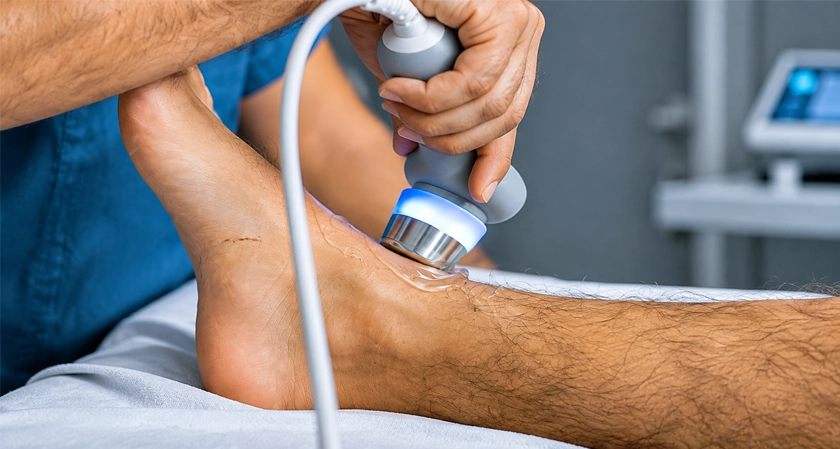
Musculoskeletal care generates $380 billion spending a year, and is expanding beyond a single approach to pain and recovery. Alongside exercise, education and other established treatments, clinicians are exploring how shockwave technology might support care for certain tendon and soft tissue conditions.
The details matter, though. Different devices produce and deliver energy in different ways, and promising technology still needs condition-specific clinical evidence.
Where Shockwave Technology Fits in Care
Therapeutic shockwaves are acoustic waves delivered through the skin to a target area. Clinicians may consider them for some persistent musculoskeletal conditions when symptoms have not improved with an initial care plan.
The goal is not to replace a thorough assessment. A clinician still needs to identify the likely source of pain, understand the patient’s activity demands and decide whether a shockwave treatment has a useful role alongside rehabilitation.
According to research, shockwave treatment is used in musculoskeletal care, but different technologies have distinct characteristics. Those differences can affect how a clinician selects and applies a device.
How Shockwave Systems Generate Energy
One way to compare systems is to look at how they create an acoustic wave. Focused shockwave devices can use electrohydraulic, electromagnetic or piezoelectric methods, while radial pressure wave devices use a different mechanism to create waves that spread outward.
Electrohydraulic systems generate a wave through an electrical discharge in fluid. Innovators like SoftWave Therapy uses electrohydraulic technology with a broad-focused energy field, an approach designed to deliver energy across a treatment area rather than concentrate it in a narrow focal point. It’s just one example of how progress is being made in this field all the time, and patients can already benefit.
Focused and Broad Focused Energy
The shape of the energy field influences the area a clinician can target. A tightly focused field concentrates energy around a smaller focal region, while a broad-focused design distributes it over a wider region.
That distinction may matter when a treatment area is larger or when surrounding tissues are part of the clinical assessment. A wider field alone does not establish that one system works better than another.
Radial Pressure Waves
Radial devices generally create pressure waves through a mechanical impact inside an applicator. The waves spread outward from the applicator, with their characteristics changing as they travel through tissue.
Radial pressure waves and focused shockwaves are often discussed under the same broad treatment umbrella. When reading a study, clinicians should check which technology was used before applying its results to another device.
What Clinicians Should Compare
A useful device comparison goes beyond the technology name. Clinicians can review the treatment field, energy settings, penetration characteristics and applicator design, then consider how those features relate to the conditions they treat.
Treatment protocols matter too. The number of sessions, pulses and energy level may differ across studies, making it harder to compare outcomes directly.
The latest expert consensus on extracorporeal shockwave therapy from the AAPSM addresses terminology, treatment parameters and safety considerations in sports medicine. It offers clinicians a starting point for discussing treatment consistently and evaluating how published protocols fit their practice.
What the Research Means for Practice
Clinical research can help answer a practical question: Does adding a particular treatment improve outcomes for a particular group of patients? The answer can vary by condition, device, protocol and comparison treatment.
For example, a 2025 randomized trial studied 76 people with Achilles tendinopathy and found no clear added benefit from radial pressure wave treatment over a sham treatment when both groups also received exercise and education. For clinicians, the result is a reminder to weigh the value of an add-on treatment against the rehabilitation plan already in place.
That study tested radial pressure waves, not every focused or broad-focused system. Likewise, results from one diagnosis should not automatically be applied to another.
Building a Patient Centered Treatment Plan
A patient’s goals can help determine whether a treatment is worth considering, in combination with decisions to make treatment lifestyle-oriented. An athlete hoping to return to training may have different priorities from someone seeking to walk comfortably or manage work-related demands.
Clinicians can explain what the evidence does and does not show, along with the expected course of care. They should also review relevant contraindications and potential side effects, and confirm that a device is authorized for its intended use in their jurisdiction.
Measuring progress matters after treatment begins. Pain, function and the ability to perform meaningful activities can help patients and clinicians decide whether to continue or adjust the plan.
Putting Shockwave Technology Into Perspective
Shockwave technology offers clinicians several ways to deliver acoustic energy, including electrohydraulic systems with broad-focused fields. Its practical value depends on matching the technology and protocol to the patient’s condition and the available evidence.
For clinicians exploring these options, a useful next step is to review the research for the specific condition and device under consideration. Patients can also discuss their goals and questions with their care team. Stick around for more of the latest news on tech, business, and so much more.














Comments