>>
Other>>
Infrastructure and development>>
What a Roof Replacement Really...INFRASTRUCTURE AND DEVELOPMENT
What a Roof Replacement Really Means: Understanding Your Home’s Value and Risk Profile
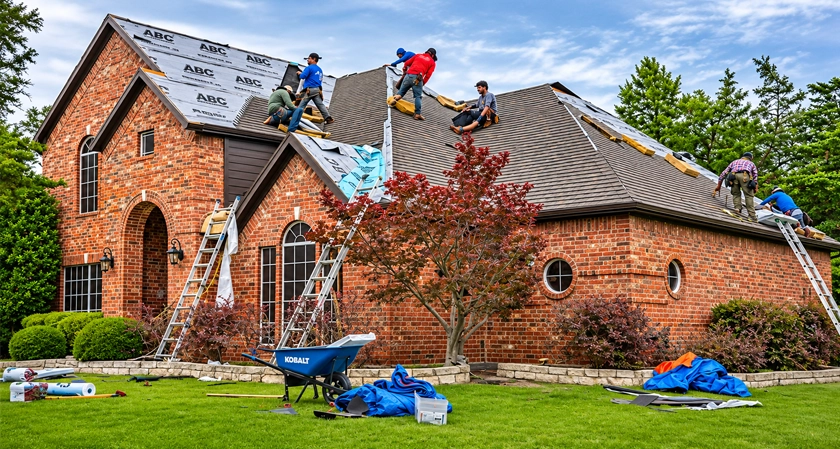
Your roof does more than keep rain out. It affects insurance conversations, energy costs, resale timing, and the maintenance problems you may face over the next decade. If you live in Yelm, local conditions make those considerations especially important. Prolonged moisture, moss growth, and seasonal wind can put additional pressure on roofing materials. A replacement project is not just a construction job. It is a decision that influences how your home performs, how buyers view it, and how future repair costs accumulate.
Why Roofing Decisions Carry More Financial Weight: Look Beyond Appearance
You might think of a roof as a background feature, something you only notice when it leaks. In practice, it influences several household costs at once. An aging roof increases the possibility of water intrusion, damaged insulation, interior deterioration, and expensive repairs. Poor attic ventilation can also contribute to moisture problems and affect how efficiently your home maintains comfortable temperatures.
For homeowners in damp climates, moss and algae can become recurring concerns. Buyers also pay attention to roof age because it signals a potential expense they may need to handle soon. An outdated kitchen can remain functional, but a deteriorating roof creates a more immediate concern.
When evaluating the overall cost of owning a home, roofing deserves attention as a risk-management investment rather than merely a cosmetic improvement.
What Replacement Actually Solves: Address the Entire Roofing System
A full replacement addresses more than missing shingles or visible ceiling stains. It gives contractors an opportunity to inspect the roof decking, flashing, underlayment, ventilation pathways, and edge details that can contribute to recurring problems.
If you are considering roof replacement in Yelm, the potential value extends beyond installing new shingles. A properly scoped project can identify weaknesses such as deteriorated sheathing around valleys, failed pipe boot seals, damaged flashing, or inadequate ventilation.
A patch may stop an individual leak, but it will not necessarily resolve problems developing underneath the roofing material. Replacement provides an opportunity to address several weaknesses together, establish a clearer maintenance baseline, and reduce the likelihood of repeated repairs caused by aging components.
How Weather Affects Roof Lifespan: Recognize Early Warning Signs
Roofing materials experience different levels of wear depending on their exposure to moisture, wind, temperature changes, and sunlight. Prolonged dampness can encourage moss growth, while strong winds may lift shingle edges or expose vulnerable sections.
A roof can look acceptable from the driveway while deterioration develops in less visible areas. Granule loss, curling shingle corners, dark streaks, damaged flashing, and soft decking deserve professional attention. Attic conditions matter too. Excessive moisture or poor ventilation can contribute to problems that are not immediately visible from outside.
Waiting until water enters the living space can make a replacement project more complicated. Moisture may already have affected insulation, drywall, or structural components. Regular inspections help identify concerns before they become more expensive.
What Buyers, Inspectors, and Insurers Notice: Understand the Financial Impact
If you plan to sell within the next few years, roof condition can influence negotiations. Buyers may interpret an aging roof as an upcoming expense and request repairs, credits, or a lower purchase price.
Home inspectors commonly examine visible wear, flashing, drainage, roof age indicators, and evidence of previous repairs. Uneven surfaces, mismatched shingles, and visible sagging may raise questions about maintenance history or possible underlying damage.
Insurance providers may also consider roof age and condition when reviewing coverage. Requirements vary between insurers and policies, so homeowners should confirm their specific situation rather than assume a replacement automatically lowers premiums.
A properly installed roof can make these conversations easier by providing clearer documentation of the home's condition. It does not guarantee a higher sale price or cheaper insurance, but it can remove one source of uncertainty for potential buyers.
Material and Installation Choices Matter: Look Beyond the Shingles
Not every replacement project delivers the same long-term performance. Material selection matters, but installation quality is equally important. Even good shingles can perform poorly when flashing transitions, fastening patterns, or ventilation details are handled incorrectly.
When comparing proposals, ask what underlayment will be installed, how damaged decking will be priced, and whether ventilation will be evaluated. Clarify whether drip edges, flashing, and pipe boots are included in the scope of work.
Pay particular attention to roof-to-wall intersections, valleys, skylights, and plumbing penetrations. These areas require careful installation because they can become vulnerable points for water entry.
A detailed proposal should explain the complete roofing assembly rather than simply identify the shingle brand and total price. The objective is to install a system that manages moisture and drainage effectively, not just improve the roof's appearance.
When Repair No Longer Makes Financial Sense: Recognize the Difference
There comes a point when repeated repairs stop being financially sensible. If you are arranging leak fixes every wet season, replacing shingles after wind events, or noticing problems in several areas, the roof may be approaching the end of its useful service life.
Age alone does not determine whether replacement is necessary. Look at the overall condition, the extent of damage, and how much reliable service life remains. Widespread granule loss, brittle shingles, recurring leaks, damaged flashing, and deteriorating decking may indicate broader problems.
Repairs remain reasonable when damage is localized, and the surrounding roof is in good condition. They become less attractive when new patches are being added to materials that are already failing elsewhere.
The National Roofing Contractors Association recommends regular roof inspections and preventative maintenance. Its guidance on maintaining residential roof systems explains how inspections and timely repairs can help identify deterioration before it spreads.
What a Smart Replacement Plan Looks Like: Budget Before Work Begins
A strong replacement plan starts with a professional inspection and detailed proposals from qualified contractors. Compare what each estimate includes, particularly the removal of old materials, disposal, underlayment, flashing, ventilation improvements, and potential sheathing replacement.
Hidden damage can change the final cost, so ask how additional work will be documented and approved. You should also understand the workmanship warranty, manufacturer coverage, payment schedule, and expected project timeline.
Permit requirements depend on the property's jurisdiction and the scope of work. Before signing a contract, confirm whether approvals are necessary. The Thurston County permit guidance explains local requirements and identifies circumstances in which structural changes, pitch modifications, or skylight work may require permits.
Budgeting should also account for related work, such as gutter adjustments or improvements to ventilation. A proposal that appears inexpensive may leave important parts of the project unclear.
A roof replacement is rarely an exciting home improvement, but it can be an important part of preventive financial planning. When you understand the condition of your roof, compare complete proposals, and address underlying weaknesses, you are doing more than installing new materials. You are protecting your home's structure, reducing avoidable uncertainty, and creating a stronger foundation for future maintenance and ownership.














Comments