>>
Industry>>
Lifestyle and fashion>>
From Antique Shops to Living R...From Antique Shops to Living Rooms: The Logistics Behind Furniture Delivery
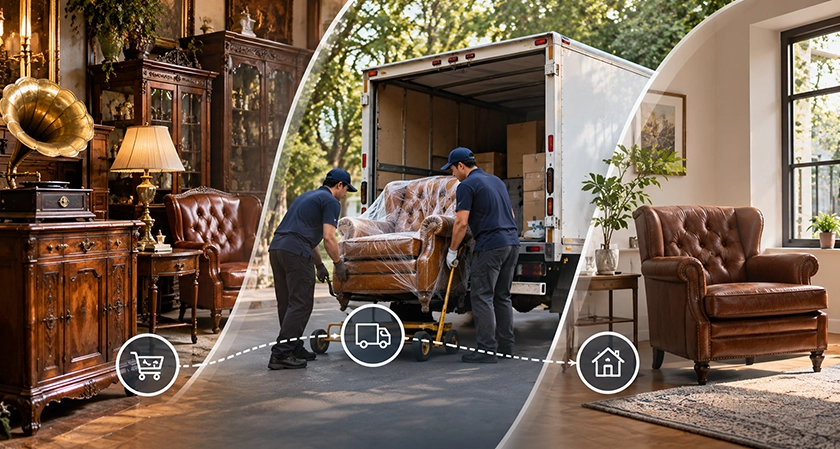
Furniture delivery is often viewed as the final step in a purchase, a straightforward process in which a truck arrives and a newly acquired piece is carried into a home. Yet behind that seemingly simple transaction lies a complex operation involving transportation planning, careful handling, scheduling, and risk management. The challenges become particularly significant when the furniture is antique, unusually large, delicate, or valuable. What appears to be a routine delivery can require considerable preparation to ensure that an item reaches its destination without damage.
Unlike mass-produced merchandise shipped in standardized packaging, furniture presents logistical challenges that vary from one piece to another. An eighteenth-century cabinet, a contemporary sectional sofa, and a handcrafted dining table may each require different equipment, handling techniques, and delivery arrangements. The distance between the seller and buyer is only one factor influencing the complexity of transportation. Building access, weather conditions, structural vulnerabilities, and the availability of trained personnel can be equally important.
As consumers increasingly purchase furniture from antique dealers, independent retailers, estate sales, and online marketplaces, the infrastructure supporting furniture delivery has become more important. Buyers expect greater convenience, reliable arrival windows, and professional handling, while sellers must balance service quality against rising operational costs. Understanding the logistics behind furniture delivery reveals why moving a valuable piece from a showroom or antique shop into a living room involves far more than transportation alone.
The Unique Challenges of Transporting Antique and Specialty Furniture
Antique furniture introduces complications that conventional shipping methods are not always equipped to address. Older pieces may contain fragile joints, weakened adhesives, delicate veneers, and decorative elements that have become increasingly vulnerable with age. Even furniture that appears structurally sound can react poorly to sudden movement, vibration, or pressure applied in the wrong location. Before transportation begins, understanding the construction and condition of each piece is essential to determining how it should be handled.
The materials used in antique furniture also create logistical concerns. Solid wood can expand and contract as humidity changes, while aged finishes may be sensitive to temperature fluctuations and direct contact with certain packing materials. Ornate carvings, glass inserts, marble surfaces, and intricate hardware require additional attention because they can be damaged by relatively minor impacts. A delivery crew handling a nineteenth-century writing desk, for example, must consider not only its weight but also whether its legs, drawers, and decorative components can withstand lifting and transportation. These characteristics make furniture delivery an exercise in material assessment as much as physical movement.
The challenges extend beyond antiques to include contemporary pieces with unconventional dimensions or construction. Oversized sofas, modular seating systems, stone dining tables, and custom-built cabinetry frequently require specialized handling and carefully planned delivery routes. In some cases, disassembly is necessary to move an item safely through doorways or stairwells, although certain pieces cannot be taken apart without compromising their integrity. The distinction between ordinary freight and specialty furniture transportation therefore becomes important. Successful delivery depends on recognizing the physical limitations of each item before selecting the appropriate moving strategy.
Planning the Journey From Seller to Buyer
Effective furniture delivery begins well before an item is loaded into a truck. The process requires accurate information about each piece, including its dimensions, weight, condition, construction materials, and pickup location. Coordinators must also assess the destination for stairs, narrow hallways, limited parking, and other access restrictions. These considerations are particularly important in Northeastern cities such as Boston, New York City, and Philadelphia, where older buildings, congested streets, and restricted loading areas can complicate deliveries. Large furniture may be difficult to maneuver through historic properties or upper-floor apartments, making advance measurements and access assessments essential. Missing details can lead to delays, unexpected charges, or situations where furniture cannot be safely brought inside.
These challenges become particularly apparent across Greater Boston, where delivery conditions differ between historic neighborhoods and surrounding communities. Beacon Hill and the North End can require careful planning around narrow streets and older buildings, while destinations in Cambridge, Brookline, and Newton may involve different parking, staircase, and entryway restrictions. Such differences make accurate measurements, protective wrapping, and suitable equipment essential before collection. Based in Boston's Jamaica Plain neighborhood, Pony Express Moving Services provides delivery services for new and antique furniture pieces, including fragile or awkwardly shaped items. Its local operations illustrate how careful handling and appointment coordination can connect sellers with buyers despite access constraints. Customers should confirm pickup windows, destination measurements, loading arrangements, and item protection requirements in advance.
Beyond preparing furniture and coordinating handling requirements, route planning introduces another layer of complexity because the most direct journey is not always the most practical. Delivery vehicles may encounter restrictions involving road width, bridge clearance, loading zones, and access to residential neighborhoods. Urban deliveries frequently require coordination with building management or local parking regulations, while rural destinations may involve long driveways, uneven surfaces, or limited maneuvering space. Traffic patterns and seasonal weather conditions can further influence arrival times and unloading arrangements. Confirming access requirements, selecting suitable routes, and communicating delivery windows in advance can reduce unexpected complications. A well-developed delivery plan accounts for these variables before departure rather than leaving drivers and customers to resolve obstacles at the destination.
Packaging and Protection as the First Line of Defense
Proper packaging is one of the most important factors determining whether furniture survives transportation in its original condition. Unlike boxed consumer products, many furniture pieces have irregular shapes, exposed surfaces, and components that cannot tolerate concentrated pressure. Protective materials must therefore be selected according to the item's construction and vulnerabilities rather than applied through a uniform packing method. A polished wooden cabinet, for instance, requires different protection than an upholstered chair or a marble-topped console.
Professional handling techniques frequently involve moving blankets, furniture pads, corner protectors, foam cushioning, and stretch wrap used in appropriate combinations. These materials help reduce surface abrasion and limit movement, but they must be applied carefully to avoid creating new problems. Plastic wrapping placed directly against certain finishes can trap moisture or produce unwanted surface reactions, particularly during prolonged storage or transportation. For delicate antiques, a breathable protective layer may be preferable between the furniture and an outer covering. Removable glass panels, shelves, and hardware may also need to be packed separately to prevent breakage or pressure damage.
For exceptionally valuable or fragile pieces, custom crating can provide a higher level of protection. A crate built around the dimensions of a particular item can reduce exposure to accidental impacts and create a more stable environment during handling. However, crating introduces additional costs, weight, and logistical requirements, making it more appropriate for selected shipments than routine local deliveries. The decision should reflect the value, structural condition, and transportation risks associated with the furniture. Regardless of the packaging method, the fundamental objective remains the same: preventing movement, absorbing shock, and protecting vulnerable surfaces throughout the journey.
The Role of Specialized Equipment and Skilled Delivery Crews
Furniture transportation relies on equipment designed to make heavy or awkward objects manageable without placing unnecessary stress on the items or the people handling them. Dollies, lifting straps, furniture sliders, stair-climbing equipment, and trucks equipped with liftgates can all improve the safety and efficiency of a delivery. However, no single piece of equipment is suitable for every situation. A heavy antique wardrobe may require a different approach from a delicate glass display cabinet, even when the two objects have similar dimensions.
The experience of the delivery crew is particularly important when determining how equipment should be used. Proper lifting involves identifying structurally strong points, maintaining control over the furniture's center of gravity, and coordinating movements among team members. Lifting an old table by its decorative edges or moving a cabinet while its contents remain unsecured can expose the piece to unnecessary damage. Skilled handlers also recognize when a delivery requires additional personnel rather than attempting to complete the job with an insufficient crew. These decisions can protect both the furniture and the workers responsible for moving it.
Inside the truck, loading methods become just as important as the equipment used at pickup. Furniture must be positioned to minimize movement during acceleration, braking, and turns, with appropriate restraints and protective barriers separating neighboring pieces. Heavy items generally need stable placement, while fragile components should be kept away from concentrated loads or areas where shifting cargo could cause damage. The sequence in which furniture is loaded also affects operational efficiency because items needed at earlier delivery stops must remain accessible. Careful loading therefore combines physical protection with practical scheduling considerations, particularly when a vehicle serves multiple customers.
Navigating Urban Buildings, Staircases, and Residential Access
The final stretch of furniture delivery can be more complicated than the journey between the seller and the customer's neighborhood. Residential buildings frequently contain physical restrictions that become apparent only when a large piece reaches the entrance. Narrow doorframes, low ceilings, sharp staircase turns, and compact elevators can prevent furniture from following the anticipated route. A sectional sofa that fits comfortably inside a delivery truck may prove difficult to maneuver through the hallway of an older apartment building. These challenges make accurate measurements and access assessments essential before the delivery appointment.
Historic urban neighborhoods present additional difficulties because many buildings were constructed long before modern furniture dimensions became common. In cities such as Boston, older homes and multifamily properties may have steep staircases, tight landings, or entrances that offer little room for maneuvering. Delivery teams must evaluate whether an item can be rotated, tilted, partially disassembled, or carried through an alternative entrance without damaging the furniture or surrounding property. In some situations, specialized hoisting arrangements may be considered, subject to building rules, equipment availability, and safety requirements. Such methods demand professional planning and should not be treated as improvised solutions.
Building management policies can be equally influential in determining how delivery proceeds. Apartment complexes and condominium associations may require reserved elevator times, certificates of insurance, protective coverings for common areas, or advance notification of large deliveries. Failure to satisfy these requirements can lead to refused access or rescheduled appointments, even when the furniture and delivery crew arrive on time. Homeowners may face different obstacles, including driveway limitations, exterior steps, landscaping, and interior flooring that requires protection. A successful delivery plan addresses both the physical route into the property and the administrative conditions governing access.
Scheduling, Communication, and the Economics of Delivery
Furniture delivery schedules are shaped by several competing demands, including customer availability, retailer operating hours, labor capacity, vehicle utilization, and travel distance. A delivery provider may need to coordinate pickups from several sellers while serving customers across different neighborhoods. Combining shipments into a carefully planned route can reduce fuel consumption and improve operational efficiency, but it also increases the need for precise timing. Delays at one location may affect subsequent appointments, particularly when loading or unloading takes longer than expected.
Communication helps reduce these disruptions by allowing customers, sellers, and delivery teams to prepare for the same timeline. Confirming the pickup address, delivery window, contact information, furniture dimensions, and access instructions can prevent avoidable misunderstandings. Customers also benefit from knowing whether a service includes bringing furniture inside, carrying it upstairs, assembling components, or placing it in a designated room. These distinctions matter because transportation to an address is not necessarily equivalent to complete in-home delivery. Clear expectations established before the appointment can substantially reduce disagreements after the truck arrives.
Pricing reflects the operational complexity of these arrangements. Distance and item size influence costs, but labor requirements, stairs, packing materials, insurance coverage, storage needs, and special equipment can also affect the final charge. Delivering a small cabinet to a ground-floor residence generally requires fewer resources than transporting a substantial antique wardrobe into a third-floor apartment without an elevator. Scheduling flexibility may influence pricing as well, since consolidated routes can be more economical than dedicated trips. For consumers, comparing delivery estimates requires examining the services included rather than focusing exclusively on the quoted transportation fee.
Risk Management, Insurance, and Accountability
Every furniture delivery involves some degree of physical and financial risk, particularly when the shipment includes antique or high-value pieces. Accidental impacts, unstable loading, improper lifting, and environmental exposure can result in damage that is expensive or impossible to repair. The financial consequences may be especially significant for antiques whose value depends on originality, condition, provenance, and historical craftsmanship. A damaged modern table may be replaceable, while a rare period cabinet may not have an equivalent available on the market. This distinction makes documented condition assessments and suitable protection arrangements particularly important.
Insurance and liability coverage require careful examination because policies and carrier obligations are not interchangeable. A customer's homeowner's insurance policy may not automatically cover every type of transportation-related damage, while a delivery company's liability may be subject to contractual limitations. Coverage terms can differ depending on whether the shipment is handled as a household move, a commercial delivery, or a specialized transportation service. Customers should review the applicable agreement, ask what forms of damage are covered, and clarify how declared values or additional protection options affect potential claims. For exceptionally valuable furniture, obtaining a professional appraisal and discussing appropriate transit coverage beforehand may be prudent.
Documentation provides another important safeguard for both customers and delivery providers. Photographs taken before pickup can establish the furniture's existing condition, while written inventory records can identify scratches, missing components, or structural weaknesses already present. At delivery, a careful inspection offers an opportunity to identify any changes that occurred during transportation. If damage is discovered, promptly documenting the issue and following the provider's claims procedures can make the resolution process more orderly. Strong accountability practices do more than address disputes; they encourage careful handling at every stage of the operation.
Technology and the Changing Furniture Delivery Industry
Digital tools are reshaping the way furniture deliveries are scheduled, monitored, and managed. Route optimization software can help delivery companies organize multiple pickups and destinations while accounting for travel distances, traffic conditions, and vehicle capacity. Electronic scheduling systems can provide customers with appointment confirmations and updated delivery information, reducing reliance on repeated phone calls. For retailers, these capabilities can improve the coordination between completed sales, inventory availability, and transportation arrangements. Technology does not eliminate physical delivery challenges, but it can reduce uncertainty and improve operational visibility.
Online furniture sales have also changed customer expectations. Buyers purchasing from antique marketplaces, independent dealers, and secondhand platforms may be located far from the seller, making transportation a central part of the transaction. In traditional retail settings, customers can often inspect an item and arrange delivery through the store. Digital transactions may require buyers and sellers to coordinate with an independent transportation provider, sometimes across state lines. As a result, accurate product descriptions, detailed photographs, measurements, and clear delivery terms have become increasingly important to completing furniture purchases successfully.
Technology also creates opportunities for better documentation and customer communication. Digital condition reports can preserve photographs and handling notes, while electronic proof-of-delivery systems can record receipt and identify exceptions. Shipment tracking may help customers prepare for arrival, although its precision depends on the provider's technology and operating model. For fragile and high-value furniture, digital records are most useful when combined with experienced personnel who understand the condition and handling requirements of individual pieces. The industry's direction increasingly reflects this combination of operational expertise and information systems rather than a shift toward automation alone.
Sustainability and Efficiency in Furniture Transportation
Furniture delivery has an environmental dimension that becomes particularly relevant when trucks travel long distances or operate with unused cargo space. Fuel consumption, packaging waste, vehicle emissions, and repeated delivery attempts all contribute to the environmental footprint of transportation. Inefficient routing can increase both operating costs and emissions, creating incentives for businesses to consolidate deliveries whenever practical. However, efficiency must be balanced against the handling requirements of delicate furniture. A tightly packed vehicle may carry more items, but improper loading can increase the risk of damage and undermine the benefits of consolidation.
Reusable protective materials offer one way to reduce waste without sacrificing furniture protection. Durable moving blankets, reusable pads, and appropriately maintained equipment can serve numerous deliveries, limiting dependence on disposable packaging. For long-distance shipments or particularly fragile antiques, some single-use protective materials may still be necessary to prevent damage. The most effective approach considers both the environmental cost of packaging and the potential consequences of transporting an item inadequately protected. Damage that results in repairs, replacement materials, or additional transportation can create costs that exceed those of suitable packaging.
The growing interest in secondhand and antique furniture adds another dimension to the sustainability discussion. Purchasing existing furniture can extend the useful life of durable pieces and, in some circumstances, reduce demand for newly manufactured items. Yet the environmental advantages depend partly on transportation distance, shipping methods, restoration requirements, and how long the furniture remains in use. A locally purchased antique delivered through an efficient route may have a different environmental profile from a comparable item transported individually across the country. As consumers consider the broader consequences of their purchases, the logistics of furniture delivery can become an increasingly relevant part of the decision.
Why the Final Delivery Experience Matters
The moment a piece of furniture enters a customer's home represents the culmination of decisions made throughout the purchasing and transportation process. For antique dealers and specialty retailers, the delivery experience can influence how customers perceive the entire transaction. A carefully restored cabinet or valuable dining table may leave a showroom in excellent condition, but that achievement can be overshadowed if delivery is delayed, disorganized, or careless. Customers frequently judge service quality through visible details such as punctuality, communication, respectful handling, and the condition of their property after installation.
Final placement can also introduce challenges that basic curbside transportation does not address. Customers may expect furniture to be brought into a particular room, positioned according to their preferences, and assembled when necessary. Delivery crews must consider flooring protection, wall clearance, access to electrical outlets, and the stability of the furniture once installed. Heavy cabinets and shelving units may require appropriate anchoring to reduce tipping hazards, although installation work should be performed only when included in the agreed service and handled by qualified personnel. Completing these details carefully can distinguish a comprehensive delivery service from transportation that ends at the front door.
Furniture delivery is ultimately a coordination-intensive service in which operational decisions directly affect customer satisfaction and asset protection. Sellers depend on transportation partners to preserve the condition of products after they leave the sales floor, while buyers depend on accurate information and careful handling to protect their purchases. Experienced crews, clear service agreements, and realistic scheduling are therefore central to maintaining trust between all parties. As furniture purchasing continues to span physical shops, online marketplaces, and private sellers, reliable final-mile service will remain an essential component of the broader furniture economy.
The Hidden Infrastructure Behind Every Successful Delivery
Moving furniture from an antique shop to a living room requires an interconnected process of assessment, preparation, transportation, and final placement. What may look like a simple delivery often depends on detailed measurements, specialized equipment, skilled handling, and coordination between sellers, customers, building managers, and transportation providers. The complexity increases when furniture is fragile, unusually heavy, historically significant, or difficult to maneuver through residential spaces. Treating these requirements as part of the original purchasing decision can reduce complications later.
For consumers, the most important considerations extend beyond delivery speed and price. Understanding a provider's handling experience, insurance arrangements, service scope, and access requirements can help buyers make informed decisions. Retailers and antique dealers have similar incentives to work with transportation professionals who recognize the particular demands of furniture rather than approaching every shipment as ordinary freight. A well-managed delivery protects the seller's reputation while helping customers receive their purchases in the expected condition.
The future of furniture delivery will likely involve continued improvements in route planning, shipment visibility, protective materials, and operational efficiency. Even as technology makes scheduling and tracking more sophisticated, the physical realities of moving large, heavy, and delicate objects will continue to demand human judgment. From a rare antique cabinet to a modern living room sofa, each successful delivery reflects a sequence of decisions that customers may never see. Those behind-the-scenes logistics are what ultimately turn a furniture purchase into a useful and lasting addition to a home.














Comments