>>
Industry>>
Supply chain management>>
US, Bangladesh Ink Deal to Red...US, Bangladesh Ink Deal to Reduce Import Tariffs
The Silicon Review
11 February, 2026
Author:
The Silicon Review Team
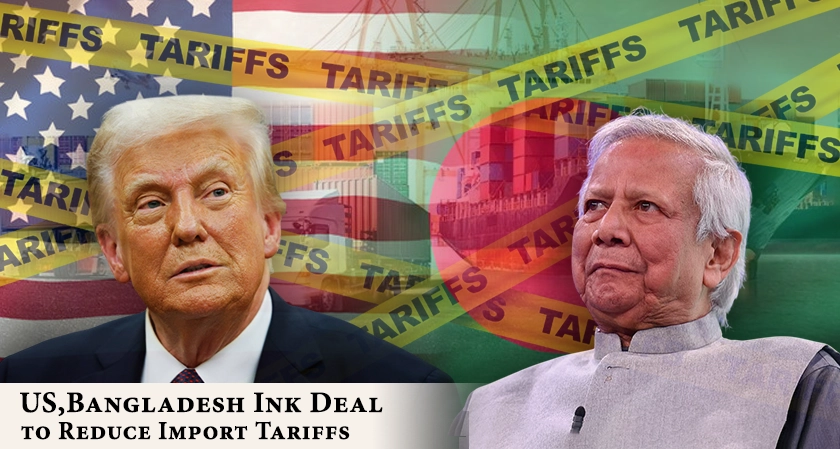
The US and Bangladesh sign a new trade deal to cut tariffs on imports, including textiles and apparel, lowering levies to an average of 19%.
The United States has finalized a new trade agreement with Bangladesh, marking a significant shift in bilateral trade policy. The deal, announced by the Trump administration, will reduce U.S. tariffs on a wide range of imports from Bangladesh to an average rate of 19%, down from significantly higher levels. The agreement specifically includes provisions to consider the full removal of tariffs on select goods, with textiles and apparel, Bangladesh's largest export category highlighted as a primary focus.
Officials framed the agreement as a move to strengthen economic ties, diversify U.S. supply chains, and provide American consumers with more competitively priced goods. For Bangladesh, the reduction is expected to boost export competitiveness in the critical U.S. market, potentially attracting further manufacturing investment. The deal follows months of negotiations and reflects a broader U.S. strategy to forge targeted trade pacts with key Asian manufacturing hubs outside of traditional multilateral frameworks.
“This is a win for American families and businesses, and a testament to our strong partnership with Bangladesh,” stated the U.S. Trade Representative. Bangladeshi trade ministers welcomed the agreement, emphasizing its potential to accelerate economic growth and job creation in the export sector.
Industry analysts note the agreement could reshape sourcing patterns in the apparel and textile industries, where Bangladesh already competes closely with Vietnam, China, and India. U.S. retailers and importers are expected to benefit from lower costs, though domestic textile manufacturers have expressed concerns about increased import competition.
The tariff reductions are scheduled to be phased in over the next 18 months, with a joint committee established to monitor implementation and discuss further potential concessions. The deal represents one of the most substantial U.S. trade agreements in South Asia under the current administration.