>>
Industry>>
Art and Music>>
Guitar Body Styles Explained: ...Guitar Body Styles Explained: A Guide for New Players
The Silicon Review
27 March, 2026
Author:
The Silicon Review Team
Walk into any guitar shop, and the variety hits you fast. Different shapes, different sizes, acoustic and electric side by side, and nobody telling you where to start. For most beginners, the body style question gets glossed over in favor of brand names or price tags. That's a mistake worth avoiding.
Body style isn't just an aesthetic choice. It determines how your guitar sounds, how it feels against your body during a two-hour practice session, and whether it suits the music you actually want to play. Beginners who take time to research guitar body styles before buying tend to end up with instruments they stick with, rather than ones that collect dust after a few months. Understanding the basics before you shop saves you from that classic rookie move: buying a guitar that works against your instincts.
Solid Body Guitars
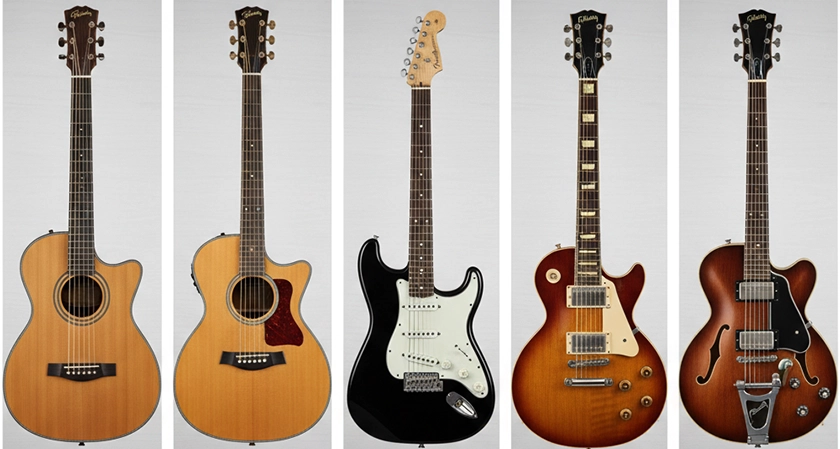
No hollow chamber, no air inside. Solid-body guitars are built from a single piece of wood (sometimes two or three pieces glued together), and that construction does one specific thing: it kills feedback at high volumes. That's why solid bodies dominate rock, metal, blues, and country.
Notes sustain longer. Tone comes out focused and direct. If you're planning to play through an amp with any kind of distortion or effects, this is where you belong. They're also tough, which matters more than people admit when you're just starting out and not yet precious about your gear.
What to Expect from the Sound
Solid bodies need amplification to really sing. Without a hollow chamber to project their voice acoustically, they rely entirely on electronics. The upside is a tight, punchy sound with solid clarity across the range. Players who want to move between genres without swapping guitars tend to start here because solid bodies respond well to different amp settings and pedal combinations.
Hollow Body Guitars
Here's where things get warmer. Hollow body guitars are built the way acoustic guitars are, with an open chamber inside, even when they carry pickups for amplification. The whole body resonates, which gives them a depth and richness that solid bodies just can't replicate.
Jazz and blues players have gravitated toward hollow bodies for decades, and for good reason. That openness produces something genuinely warm. But there's a real trade-off: at high volumes, hollow bodies feed back easily. Crank the gain, and things get noisy fast. They thrive in clean, low-volume settings. Push them too hard, and they'll tell you about it.
Acoustic vs. Archtop
Two main subtypes show up within hollow bodies. Flat-top acoustics are the more common of the two and are standard for anyone learning folk, pop, or singer-songwriter material. Archtop guitars, recognizable by their carved tops and f-holes, sit closer to jazz territory and typically cost more. Both share that hollow warmth, but they're not interchangeable in practice.
Semi-Hollow Body Guitars
Semi-hollows are worth knowing about, especially if you hate the idea of committing to one sound. They have a solid block of wood running down the center of the body, with hollow chambers on either side. That block tames the feedback problem while the hollow wings bring back some of that resonant warmth.
The result is genuinely versatile. Clean jazz, crunchy mid-gain rock, expressive blues, it all works on a semi-hollow without feeling like a compromise. Players who don't want to be boxed into a single style tend to land here eventually.
Acoustic Guitar Body Shapes
For acoustic players, body shape affects both volume and physical comfort in ways that matter from day one.
The dreadnought is the shape most people picture when they think "acoustic guitar." Large, square-shouldered, built to project. It handles strumming and flatpicking well, and it's loud without amplification. Concert and grand concert shapes are smaller, easier to hold for players with smaller frames, and better suited to fingerpicking, where a more balanced, controlled tone helps.
Auditorium and grand auditorium guitars split the difference in size. They're versatile without being extreme in any direction, which makes them a sensible starting point for players who aren't sure yet where their playing will go. Jumbos sit at the other end: the biggest acoustic shapes, built for pure volume and resonance, and useful when you need to project in a room without a microphone.
How to Choose the Right Body Style
Think about your influences first. Rock and metal pull you toward solid-body electrics. Folk and acoustic singer-songwriter work points clearly toward a dreadnought or concert-shaped guitar. Jazz leans hollow or semi-hollow. The music you want to make should lead the decision.
Then get the guitar in your hands. Comfort during long practice sessions matters more than most beginners expect. Smaller players often find that concert or auditorium shapes sit better and cause less fatigue. Bigger players may want the full feel of a dreadnought or jumbo.
Budget and venue matter too. Hollow bodies need care in loud settings. Solid bodies are more forgiving, easier to take places, and adapt well across different situations.
The Right Start Makes a Difference
Getting the body style right early takes one problem off the table. When the guitar suits what you're trying to play and feels right to hold, practice stops feeling like work. Try a few shapes if you can. Trust what your hands and ears tell you.