>>
Industry>>
Retail>>
Walmart Settles $100M FTC Suit...Walmart Settles $100M FTC Suit, Puma Q4 Sales Plunge 27%
The Silicon Review
02 March, 2026
Author:
The Silicon Review Team
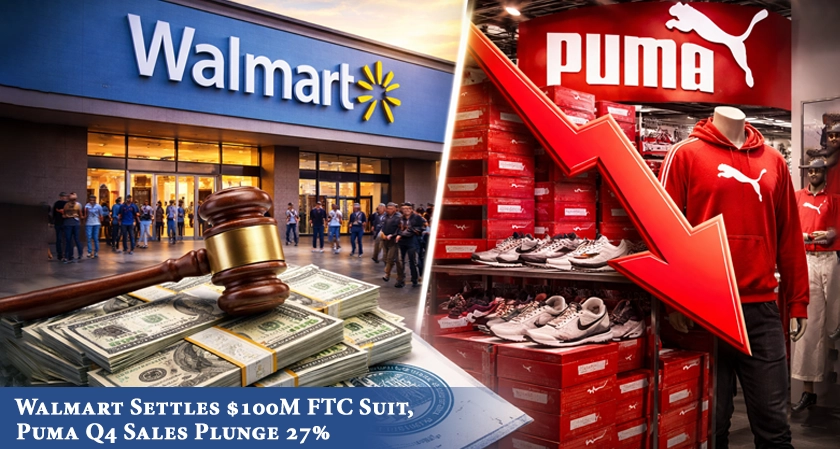
Walmart agreed to a $100M FTC settlement over allegations it deceived Spark delivery drivers about pay. Meanwhile, Puma reported a 27% Q4 sales decline amid a strategic reset and inventory cleanup.
Walmart has agreed to a $100 million judgment to settle Federal Trade Commission and multistate allegations that the company deceived delivery drivers in its Spark Driver program about their earnings. The FTC and 11 states, including Arizona, California, and Colorado, alleged that Walmart showed drivers inflated base pay and tip amounts, and falsely claimed that 100% of customer tips would go to drivers. The government also accused Walmart of implying certain delivery assignments were lucrative when they were not, and canceling drivers' orders without pay if they took too long.
Under the agreement announced February 28, Walmart will pay up to $79 million directly to drivers nationwide, plus $11 million to participating states and $10 million to the FTC. The company is required to implement an earnings verification program and submit annual reports to the FTC for the next 10 years to ensure drivers receive promised pay. The settlement prohibits Walmart from modifying orders after drivers accept them or misrepresenting earnings. Walmart stated it denies the allegations but settled to avoid "costly and lengthy litigation."
Separately, German sportswear maker Puma reported devastating fourth-quarter results, with sales falling 27.2% to €1.56 billion and a net loss of €336.6 million compared to a year-earlier profit. Currency-adjusted sales dropped 20.7% as the company implemented a strategic reset to address "muted brand momentum, elevated inventory levels, and lower-quality distribution." For fiscal 2026, Puma expects sales to decline in the low- to mid-single digits and projects an operating loss between €50 million and €150 million, calling 2026 a "year of transition." The company's results underscore ongoing challenges in the athletic apparel sector as consumers pull back on discretionary spending.









-Recovered-Recovered-Recovered_2026-07-25_10-24-34.webp")

-Recovered-Recovered-Recovered_2026-07-25_10-03-12.webp")