>>
Industry>>
Healthcare>>
How Custom Wheelchair Design I...How Custom Wheelchair Design Is Quietly Rewriting Mobility Tech
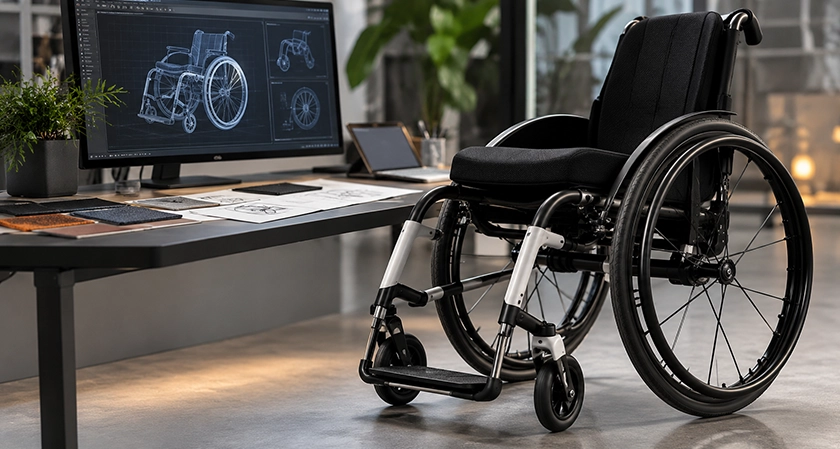
A wheelchair that fits badly doesn't just feel wrong. It quietly steals your energy all day, every push, every curb, every doorway. Most people assume the answer is a bigger brand or a fancier cushion. I'd argue the real answer started years ago, in CAD software and configurator pages, and most of the industry still talks about it like it's a niche hobby.
That shift gives wheelchair users a say in the exact build of their chair. A chair no longer comes in three fixed sizes. A custom active wheelchair offers a frame built to the rider’s own measurements for a closer fit in daily use. Seat width, backrest height or wheel camber can each be set to suit the rider’s posture. Frame material options such as aluminum or titanium change the chair’s weight, which may ease lifts into a car. An online configurator shows each of these changes on screen in real time, so the rider sees the finished geometry before an order goes in.
A custom active wheelchair gives a rider control over the parts that shape each day in the chair. Frame material sets the overall weight for lifts into a car. The sections ahead trace how these choices moved from the workshop bench into online design tools. They also explain how a rider can pick the options that matter for daily use.
From Workshop Bench to Configurator
For decades, custom meant the same thing everywhere: a technician with a tape measure, a paper order form, and a welder. Good work, but slow, and hard to repeat. If your chair got damaged, rebuilding the exact same fit was basically an act of memory on someone's part.
Two changes broke that open. Digital scanning and CAD let a builder translate measurements into a file. Then configurator software put that file in front of the customer instead of behind a counter. Suddenly the person in the chair could see the tradeoff between a shorter wheelbase and a tighter turn radius before a single tube got cut.
I think the configurator is the bigger deal of the two. A scanned measurement is still a technician's judgment. A configurator hands the judgment back to the rider, which is where it belongs. That's the real tech story here, and it's mostly gone unnoticed outside the mobility world.
Why Titanium Keeps Showing Up in the Conversation
Frame material is usually the first fork in the road, and titanium is usually the first name people bring up. The reasons are practical, not marketing.
Titanium is light relative to steel, absorbs road vibration better than aluminum, and doesn't rust the way steel does when paint chips. It also bends and springs back rather than cracking, which matters when a chair takes daily abuse on uneven pavement. That combination is hard to beat for an active daily ride.
The tradeoff is cost, and it's a real one. Aluminum is cheaper and stiff, and plenty of riders prefer the stiffer feel. Carbon fiber is lighter than both but can fail suddenly rather than gradually, which some riders find less predictable. I'd still pick titanium for most active daily use, and I'd say that plainly to anyone asking.
What the Numbers on a Configurator Actually Mean
Configurators fill up fast with acronyms. Most of them come down to four measurements that matter more than everything else combined.
-
Seat width and depth. Too wide and you lose push efficiency. Too narrow and you're fighting pressure all day. These two numbers set the foundation for everything else.
-
Front seat height. This controls how much of your push stroke goes into forward motion versus fighting your own geometry.
-
Rear seat height. This changes dump and stability, which affects both how you feel rolling and how the chair handles a slope.
-
More camber means a wider footprint and better lateral stability. Less camber means a narrower chair that slips through doorways and crowds more easily.
Every one of those four interacts with the others. Change the seat height and your reach to the floor changes. Change the camber and your chair may no longer fit through the bathroom door you use every morning. This is the part where a configurator earns its keep, because you can see the knock-on effect without waiting weeks for a rebuild.
On the measurement side, the fundamentals of proper seating position are well documented. According to MedlinePlus, maintaining correct posture and seating support is a standard part of mobility care, which is exactly why seat width and depth deserve more of your attention than frame color ever will.
Where the Jobs Are, and What That Says About the Market
Demand drives design. The people building and servicing these chairs are a growing workforce, and that's visible in broad employment data. According to the Bureau of Labor Statistics, healthcare support occupations are projected to grow substantially over the coming decade, and durable medical equipment work sits inside that trend.
More technicians, more fitters, more builders. That's a market where customization is no longer a luxury add-on but the default expectation. When your customer base grows, the only way to serve it well is to make one-off builds cheaper and faster, which is exactly what digital configuration does.
A Practical Checklist Before You Hit Order
Here's the sequence I'd walk through with anyone speccing a chair for the first time. It's short on purpose, because most ordering mistakes come from trying to solve everything at once.
-
Measure with the shoes you'll actually wear most days, not the pair you wear twice a month.
-
Lock your seat width and depth first. Don't touch anything else until those two are final.
-
Set front and rear seat height together, then sit in the chair with the wheels actually touching the ground.
-
Decide camber based on your real doorway and hallway widths, not how the chair looks in a photo.
-
Check the turning radius against your tightest daily space, the bathroom, the kitchen, or the car door.
-
Pick frame material last, once the geometry is settled and you know what weight you're actually carrying.
One more thing worth doing: name your priorities out loud before you open the configurator. If getting through a narrow apartment hallway matters more than top speed in the park, say so, and let that decide the camber and footprint. Most buyers reverse those priorities halfway through an order and end up with a chair that's technically correct and practically annoying.
The role of assistive tech in daily independence is well established, and it's the reason these details aren't cosmetic. According to the Paralyzed Veterans of America, access to properly fitted mobility equipment is tied directly to how independently someone can live and work. That puts the configurator in a strange position: it looks like a shopping page, but it's really a fitting tool.
What I'd Watch Next
The next step is obvious once you've used a decent configurator: connecting it to sensors. Frame stress, wheel alignment drift, seat pressure over time. Right now that data lives in separate devices, if it's collected at all. Wire it into the same file that built the chair and a rebuild becomes a data refresh instead of a guessing game.
I'd also expect fitter networks to matter more than brand names. A perfect digital spec still needs a human to confirm it on your body, in your chair, on your floor. The software doesn't replace that fitter. It just makes the fitter's job faster and the result repeatable, which is the whole point of moving design into software in the first place.
So before you order anything, open a configurator and try to break it. Push the seat width to both extremes, max out the camber, then dial it back. You'll learn more about your own priorities in twenty minutes of experimenting than in a week of reading spec sheets. What does your ideal footprint look like once you stop guessing and start measuring?














Comments