>>
Technology>>
Security>>
The Overlooked Entry Point: Wh...The Overlooked Entry Point: Why Storefront Glass Belongs on Every New Business Security Checklist
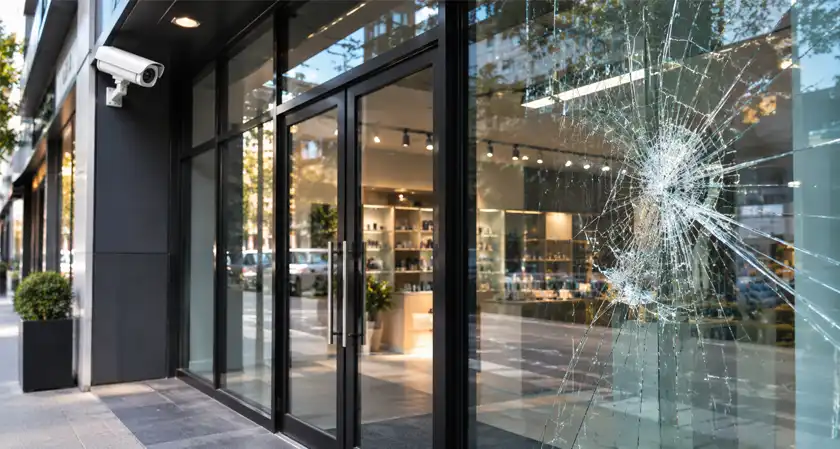
Most pre-opening security budgets look about the same. The alarm system gets a line item. Cameras get a line item. Locks get rekeyed or replaced. The storefront glass, often the largest opening in the building, usually stays exactly as the landlord left it. That gap matters because a smash-and-enter attempt rarely starts with the lock. It starts with the glass. Owners who ask a security glazing installer serving Texas and Oklahoma to walk the space often see the gap right away. You can spot much of it yourself, too. This checklist covers four checks to run before opening day. It applies to retail shops, restaurants, and small offices alike.
Check 1. Find the weakest points in your perimeter
Start by walking the outside of the building after dark. Look at it the way someone trying to get in quickly would. Note every opening a person could use, not just the doors you plan to lock.
For most storefronts, the list includes the following openings.
-
Glass entry doors and the sidelites beside them
-
Large display windows facing the street or parking lot
-
Transoms above doors that are reachable from the ground
-
Rear or service doors, especially those with glass panels
-
Drive-through, pickup, or walk-up windows
Next, rank each opening by how exposed it is. A display window facing a dark side lot carries more risk than one facing a busy, lit street. Glass next to a door handle is a concern, because breaking it can give access to the lock. Openings hidden from passing traffic deserve extra attention.
Repeat the walk during business hours, this time from the inside. Note where customers, staff, and cash registers sit relative to the glass. A register near a display window changes how much that window matters. So does a stockroom that backs onto an alley with windows.
Write the list down and keep it. It becomes the basis for every decision in the next three checks.
Check 2. Know what each layer does and does not delay
Good security works in layers. Each layer has a job, and each has limits. Knowing those limits helps you see where your plan is thin.
Alarms
An alarm detects and reports. It alerts you, a monitoring center, or both. It does not physically slow anyone down. By the time it sounds, the glass may already be broken.
Lighting
Exterior lighting makes your storefront more visible and improves camera footage. It can discourage some attempts. It does not stop someone who has already decided to act.
Locks
Quality locks and strike plates resist attacks on the door hardware itself. They do little if the glass beside or inside the door gives way. A deadbolt is only as strong as the material around it.
Glazing
Glazing is the glass in your doors and windows. Standard storefront glass offers little resistance once it is struck hard. This is the layer most often left unaddressed. It is also the layer an intruder physically moves through.
Look at your list from Check 1. For each opening, ask which layers cover it. Many owners find their glass is covered only by an alarm. That means detection without any added delay at the opening itself.
Cameras fall into the same category as alarms. They record what happens and help after the fact. They add no delay at the glass.
Check 3. Understand how security film changes a glass strike
Security window film is a clear, multi-layer polyester sheet applied to the inside of existing glass. It does not make glass unbreakable. What it changes is what happens after the glass breaks.
Without film, a hard strike can shatter storefront glass and clear the opening in moments. With film, the broken glass tends to stay bonded to the sheet. The pane cracks but holds together as one piece. Someone trying to get through has to keep working at it.
How the film is attached matters as much as the film itself. Film applied only to the glass can pull free of the frame as a single sheet. Attachment systems bond or fasten the film edges to the frame. That connection is what helps the opening hold under repeated blows.
Film comes in several thicknesses, usually measured in mils. Thicker films generally hold broken glass more firmly but cost more. Clear films leave the storefront looking unchanged. Tinted or reflective options add privacy and solar control. An installer can match thickness and finish to each opening's exposure.
Film also helps in ways unrelated to break-ins. It keeps fragments from scattering during accidents or severe storms. Many films also reduce glare, heat gain, and UV fading on merchandise.
Be realistic about what film buys you. It adds time and difficulty at the glass. It does not guarantee anyone stays out. Its value comes from working alongside your alarm, lighting, and locks.
Check 4. Decide when to bring in a glazing installer
Some glass-related tasks are reasonable for an owner to handle. Others are better left to a professional. The line usually depends on the size of the glass and what you expect it to do.
What you can handle in-house
-
Walking the perimeter and building your opening list
-
Checking that doors close, latch, and lock properly
-
Applying decorative or privacy film to small interior glass
-
Keeping glass clear of signage that blocks sightlines from the street
When to call an installer
Security film is a different job from decorative film. Large storefront panes are hard to install without bubbles, gaps, or edge lifting. Attachment systems require proper preparation of the frame and correct adhesives. Mistakes can leave the film weaker exactly where it needs to be strongest.
Bring in a professional when any of these apply.
-
The glass is part of an entry door or a large display window
-
You want the film attached to the frame
-
The building is older, and frame condition is uncertain
-
Your lease requires landlord approval for changes to the storefront
Ask any installer to assess each opening on your list. Ask which film and attachment method they recommend, and why. Request warranty terms in writing. A good installer will also tell you where film is not the right fit.
A basic assessment should cover glass type, frame material, and frame condition at each opening. Some installers also flag gaps in locks or lighting they notice along the way. Use the visit to confirm installation dates against your opening timeline. If the space is leased, share the installer's scope with your landlord before work begins.
Fitting glass into your opening timeline
Timing matters as much as the product. Glass work is easiest before the space fills up. Plan for it alongside the rest of your build-out.
Schedule the glass assessment early, ideally before signage and window graphics go up. Film is applied to clean, bare glass. Installing it after vinyl lettering means removing and reapplying the graphics. That adds cost and delays.
Try to finish installation before inventory, equipment, and furniture arrive. Installers need clear access to the inside face of every pane. A cluttered sales floor slows the job and raises the risk of damage. Some films also need a short curing period before the glass is cleaned.
Budget for glass as its own line item. Treat it like the alarm or camera system, not as a leftover expense. Ask for pricing by opening so you can phase the work if needed. Start with the most exposed openings from Check 1.
It also helps to talk with your insurance agent. Ask whether glass coverage or deductibles change based on the protection you install. Answers vary by carrier and policy, so get them in writing.
Opening more than one location? Use the same checklist at each site. Consistent standards make it easier to compare quotes and track warranties across locations.
Your pre-opening glass checklist
Use this short list as a final review before opening day.
☐ Walk the perimeter after dark and list every glass opening
☐ Rank each opening by exposure and visibility from the street
☐ Confirm which security layers cover each opening
☐ Identify glass next to door hardware
☐ Get a professional assessment of entry doors and display windows
☐ Ask about film type, frame attachment, and warranty terms
☐ Check lease terms for storefront changes
☐ Schedule installation before signage and inventory arrive
☐ Review glass coverage with your insurance agent
Alarms, cameras, and locks all belong on the list. So does the glass they surround. Treating it as part of the plan from day one closes a gap most new owners never notice.














Comments