>>
Other>>
Others>>
Features of modern ice generat...Features of modern ice generators
The Silicon Review
28 December, 2023
Author:
The Silicon Review Team
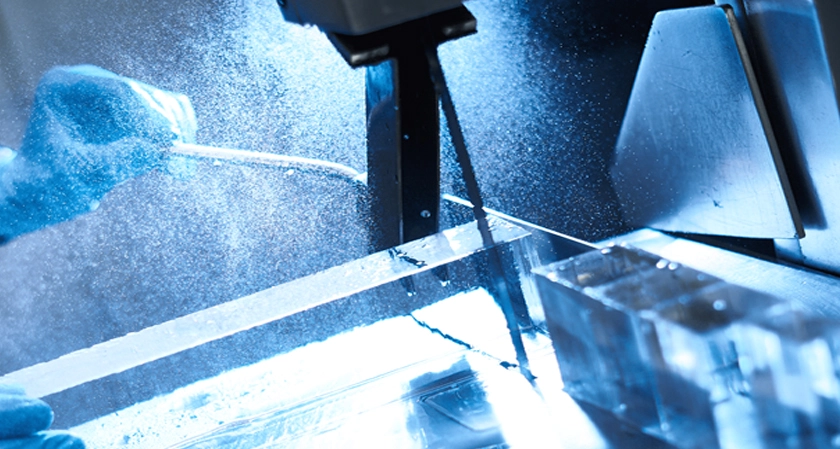
An ice generator is a special type of refrigeration equipment that is actively used to produce the necessary portions of pure ice. It is actively used in the field of trade and food. Bars, cafes, restaurants, and supermarkets are known to use ice to preserve certain foods. Ice generators produce different types of ice, in particular: ice cubes are used for cocktails and various drinks, and ice granules for cooling minced meat and fish. During the operation of the device, waterfalls on the cooling surface then freeze and enter the storage container through a special device. Ice generators are of different types, with different capacities, technical characteristics, sizes, and ice-making capabilities. A large assortment of ice makers is available in the Bftech store, see the catalog of high-quality products by clicking on the link https://bftech.pro/catalog/icemaker/.
Design of ice production facilities and ice collection technology
An ice maker consists of a compressor, a condenser, an evaporator, and a water distribution system. The compressor is one of the most important elements as it supports most of the ice-making processes. Therefore, it is necessary to carefully monitor the condition of the compressor, avoid its constant load, and carry out diagnostics promptly. The compressor supplies water to the evaporator, which acts as a refrigerant. Evaporation removes heat from the water and freezes it. The water then circulates as a gas in the condenser. A condenser is a large heat exchange area. Here, the water condenses back into a liquid state and is pumped out to repeat the cycle.
The evaporator determines the size and shape of the ice, so it is an important part of ice production. We can say that the effectiveness of the ice maker depends on evaporation. The evaporator is usually made of stainless steel because it constantly reacts with water. Some models of vaporizers are made of copper and plated with tin or nickel. Evaporators are installed vertically and horizontally. Vertical evaporation causes the water to rise slowly and freeze. The remaining water is collected in a special tank and the recycling process continues. In ice makers with a horizontal evaporator, the water sinks to the bottom, where the freezing process takes place. Evaporators often collect sediment and debris, which reduces their efficiency. Your ice maker may not be working properly, so it's important to take a comprehensive approach to diagnosing and servicing these devices if you want great-tasting, clean ice to meet all of your pressing needs.
Cooling models of ice generators
Of course, the cooling capabilities of ice makers affect their efficiency. Manufacturers offer three main solutions for ice machine models: autonomous air cooling, autonomous water cooling, and remote cooling.
Before buying an ice maker, think carefully about where you want to use this device. For transporting ice from one place to another, it is better to buy two small portable ice makers instead of using one industrial ice maker. The only limitation regarding the placement of the ice maker is free space.
Productivity of the ice maker
The performance of an ice maker is determined by many key factors, including the amount and shape of ice, the specifications of the specific ice maker model, and many other important factors that affect performance. Ice can take up half to two-thirds of the drink's volume, but flake ice can take up a little more space due to its higher density. Think of times like summer when demand for ice is high and it's impossible to predict exactly how much ice you'll need. This is what ice generators are for. With them, you can make as much ice as you want. It is important to familiarize yourself with the technical capabilities of specific models and compare them with your needs in the amount of ice before buying an ice maker.
Devices for the production of ice can be used for both domestic and industrial purposes
Modern models of ice generators allow you to get ready-made ice as quickly as possible in any way, depending on the selected model, diversify the menu, and offer the most unique drinks, cocktails, and various dishes. Devices for the production of ice are equipped with modern systems that control the operation of the devices taking into account the temperature of the working chamber and ensuring the production of ice of the highest quality.
When you decide to buy an ice maker and use its functionality for a long time, see how the ice maker works, and familiarize yourself with the key principles of its operation, it is important to pay attention to this. The ice generator is suitable for providing ice needs for restaurants, cafes, bars, etc. Will be an indispensable assistant for those who work in the food industry. If you have a large family, you are organizing a party or you just want to drink a refreshing drink, then it is also suitable at home, because a portable ice maker does not take up much space, does not consume a lot of electricity and allows you to quickly get the right amount of ice. Using such a device is not particularly difficult, you can get delicious ice in a short time.
The principle of operation of ice generators
The ice generator consists of an electric motor, a cooling unit, a heater, and a container where the produced ice is stored. To get ice, you need to pour water into the device. If the device can be connected to the water supply network, water will autonomously flow into the appropriate container. It starts working when the water level reaches the desired level. Since the ice maker has a built-in thermostat, the device can be turned on and off completely independently. When the water in the tank freezes, the heating element is activated. Heat is transferred to the bottom of the container, so the ice cubes "return" from the container to a special ice container, and the product is ready for use. The principle of operation of the ice generator is practically no different from simple, autonomous devices. A switch inside the ice maker directs water through a pipe in the back of the unit. Water enters through a tube at the back of the freezer and fills the ice tray. The cold environment of the ice maker's freezer turns water into ice. The thermostat in the lamp determines the temperature of the water. When the set value is reached, the electrical resistance at the bottom of the container slightly heats the ice and the ice cubes separate. The motor rotates a special mechanism that extracts the ice cubes. This cycle of operation is repeated until the ice storage container is full. If all the ice is used and the container becomes empty, the device will automatically start a new cycle and make a new batch of ice cubes.










_2026-06-24_12-35-51.webp")


_2026-06-24_11-11-32.webp")