>>
Industry>>
Supply chain management>>
How Can Businesses Survive the...How Can Businesses Survive the Supply Chain Storm?
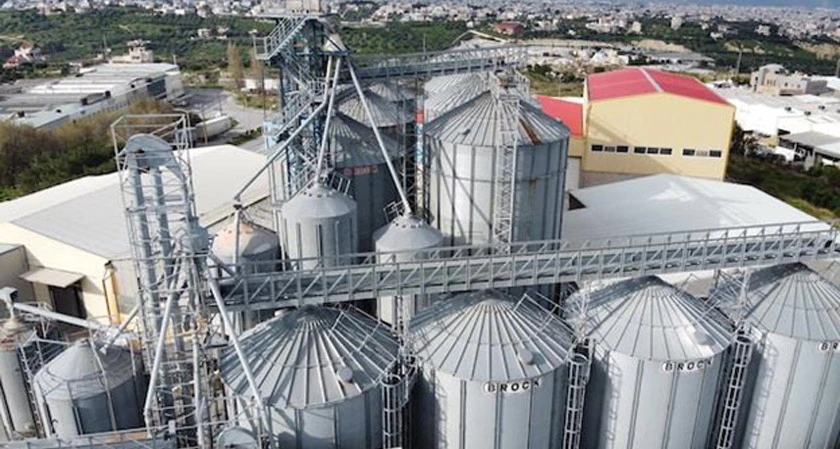
The new chain of events is consolidating to form what seems like a “storm” of ongoing disruption for supply chains. Over the past years, organizations have been assailed by one disruption after the other, such as climate change, global wars, and energy shortages, to name a few. Regulatory, logistical, consumer, and technological challenges have the potential to severely congested food and beverage manufacturers and distributors as they’re struggling to liberate the levels of flexibility and innovation paramount to operating successfully in today’s marketplace.
The new reality drives enterprises to make their supply chains more resilient, collaborative, and networked. Supply chains have come under public scrutiny, so numerous companies are now taking a fresh look at their supply chain management strategies for compliance with human rights standards and environmental issues. There’s a hastening movement worldwide to hold organizations accountable for the activity across their supply chains; some rules are company-specific, while others apply to goods moving across borders irrespective of the manufacturer’s or distributor’s location.
As far as the risks of non-compliance are concerned, they vary widely, from no enforcement to the detainment of goods. In the context of increasing transparency and awareness, businesses that have operated under willful or wanton disregard of risk will have no choice but to improve their controls. The problem is that adjustments take time, and they usually overshoot. Consumers and buyers want more transparency relating to product availability after the many supply chain shortages in the B2B food landscape.
Constant Disruption – How to Re-Orient Supply Chains in This New Normal?
We currently find ourselves in a world where everything is crumbling, so companies must use strength, fortitude, or courage to overcome change and do their best to master the “new normal.” The supply chain stress and disruption levels remain higher than before the pandemic. Among the most significant challenges faced in the B2B food industry are the tighter labor market, transportation capacity, supply and demand disruptions, and rising transportation costs. Chefs, restaurant owners, catering managers, and buyers struggle with delivery fails, unmet quality objectives, and time-consuming phone calls to countless producers.
Globalization has given B2B companies access to a never-ending list of suppliers, enabling the movement of goods, services, and information across borders. As businesses are looking to meet the demands of the rapidly changing market, they partner with vertically integrated global producers and suppliers of food and beverage ingredients like ofi to deliver consistently excellent products while reducing their natural resource consumption. Nevertheless, when a disruption is introduced into the global network, it has a ripple effect throughout the industry. Disruptions manifest in various forms, each with singular challenges and implications.
A disruption is felt by customers, the company, and the supply chain, and it can originate from natural disasters, political uncertainty, global health crisis, financial upheaval, cyber and terrorist incidents, or rapidly shifting consumer behavior. A supply chain disruption can generate shortages, delays, and other issues, leading to increased costs and decreased customer satisfaction. It’s not an if but when it will happen. The reason for this is that disruption is a constant that establishes new paradigms, which will evolve, so it’s crucial to prepare for the next supply chain disruption that comes our way.
In What Ways Can Businesses Future-Proof Supply Chain Logistics?
Rapid change and uncertainty in the B2B realm are here to stay, so food and beverage manufacturers and distributors need to prepare so they can identify and mitigate risks. Chief supply chain officers must build an effective and strategic response to disruption now by giving priority to visibility, agility, and resilience. There are proven ways to anticipate disruptions and reduce their impact, such as:
Building Resilience in The Supply Chain
Resiliency refers to the ability to respond swiftly to operational disruptions via a flexible contingency plan – in other words, to outline the objectives, strategies, and resources for responding to a potential crisis. The most resilient and agile supply chains do more than just resist and heal. They forecast, anticipate, and respond promptly to any kind of risk or opportunity the future might bring about. Supply chain resilience implies that risk is best managed through active prevention. Companies can build resilience by increasing redundancy, building flexibility, and changing the corporate culture.
Focusing On Sustainability
Having a sustainable supply chain can turn out to be useful in vulnerable times as customers are increasingly looking to do business with companies that share the same environmentally-conscious values. Pay attention to everything from the warehouse’s source of power to the transportation of goods. If cocoa is the main ingredient in your confectionary products, address the social and environmental issues to create a resource-friendly supply chain by empowering farmers, their families, and their communities. Outsource your cocoa ingredients to a few selected companies.
Bringing Transparency to The Customer Experience
Transparency relies on creating and sustaining continuous improvement within the organization and across the value chain. Consumers want more than just nutrition facts from food companies, meaning they’re willing to buy from another brand if they’re more open about their product’s origins and supply chain, including value-based information such as fair trade. You might want to consider shifting your mindset and embracing the responsibility for shipments across the delivery process, not just stopping at the moment they leave the warehouse. You must focus on the efficient and economic flow of goods.
Unlocking Cost Efficiency Regardless of Volume
Last but certainly not least, streamline your business processes and improve your bottom line. In other words, get your products to the right place at the right time, operating within the lowest costs and inventory levels while limiting duplicate routes, facilities, and backup inventory. Supply chain cost optimization can be done successfully without affecting your company’s strategy, guaranteeing the solidity of your venture. More exactly, you can operate at a low cost while ascertaining your business can withstand supply chain shocks.
Final Remarks
Food and beverage companies must navigate financial and operational disruptions while addressing the needs of their people, customers, and suppliers; with adequate preparation, manufacturers and distributors can respond to whatever life throws at them. Disruption can be transformed into opportunity and advantage.