>>
Industry>>
Lifestyle and fashion>>
Physical Stores Built the Opti...Physical Stores Built the Optical Industry. Digital Innovation Is Rebuilding It
The Silicon Review
30 July, 2026
Author:
The Silicon Review Team
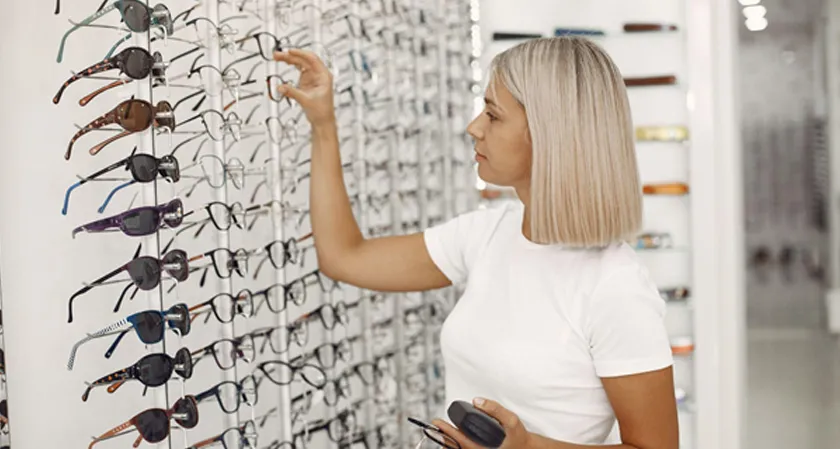
For decades, getting new glasses meant walking into a store, sitting across from an optician, and picking frames off a wall display. That model built today's eyewear business, giving people trust and someone to help pick frames that fit well. Now this industry is being reshaped by tools that let shoppers handle nearly every step from a phone or laptop.
This shift isn't about stores disappearing. It's about shopping habits moving faster than an old model was built to handle. Here's how stores shaped this industry, and how digital tools are rebuilding it.
How Physical Stores Shaped Eyewear Shopping
Local optical shops were the backbone of this industry for years, creating habits people still carry today.
- Eye exams and frame shopping happened in one visit, linking getting glasses with visiting the eye doctor.
- Opticians built personal relationships with customers, often serving the same families for years
- Frame selection stayed limited to what fit on one location's shelves
- Pricing rarely stayed transparent, since customers couldn't easily compare stores
These habits shaped how people viewed eyewear. Glasses got treated as a medical product first and a style item second. Price and selection took a back seat to convenience and a familiar face behind the counter.
Small shops carried real limits too. A store could only stock so many frames and serve so many customers daily. Growth meant opening more locations, which took money and real risk. This is partly why the industry stayed fragmented, filled with independent shops rather than a few large chains.
Why Shoppers Started Looking Beyond Store Shelves
At some point, people noticed glasses cost more than expected, with fashion frames often sold at a steep markup. Phones and home internet made online shopping normal for almost everything, and eyewear became a natural fit once technology caught up.
Today, it's common for people to buy glasses online after getting a prescription from their eye doctor. This opened up wider frame selection, lower prices, and a shopping process that fits around a busy schedule instead of a store visit during set hours.
A few factors pushed this change along:
- Rising frame prices at traditional retailers
- Wider access to smartphones and home internet
- Growing comfort with online shopping across every category
- Virtual try-on tools that eased worries about a wrong fit
What Digital Tools Bring to Eyewear Shopping
Online eyewear retailers didn't just move an old shopping experience onto a screen. They rebuilt several parts of it from scratch.
Virtual try-on tools use a camera to show how frames look on a face before anyone buys, solving one of the biggest worries people had about shopping without a mirror nearby. Some tools go further, showing multiple angles or letting shoppers upload a photo instead.
Pricing has grown far more open too. Online retailers list prices right on product pages, and side-by-side comparisons sit only a search away. This openness stayed rare in physical stores, where price tags were often a shopper's only source of information.
Customer support has changed too. Live chat, video consultations, and size guides now stand in for in-person advice an optician once gave, filling a gap that used to leave online shoppers guessing.
Comparing Store Shopping with Online Shopping
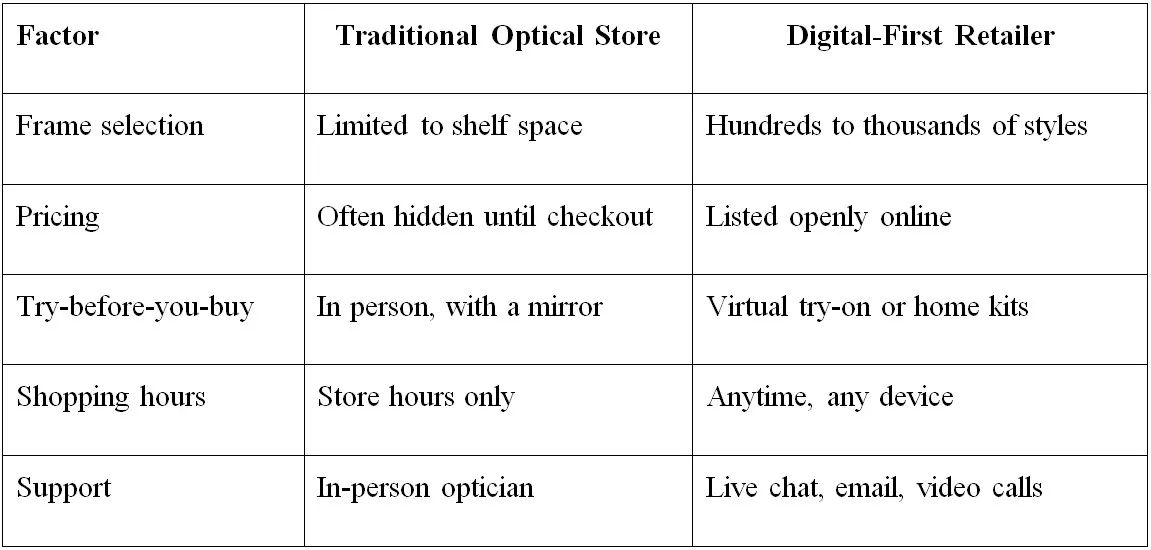
Neither model wins on every point. Physical stores still offer same-day pickup and hands-on adjustments a screen can't match.
Where Both Worlds Are Blending
Rather than one model replacing another, many companies now blend both. Some online-first retailers opened small physical spots where people try frames before ordering online, while traditional chains added virtual try-on features and home try-on kits to their own sites.
This blending makes sense since shoppers want different things:
- Some want speed and low prices, happy to skip an in-person visit
- Others want to touch frames before spending money, even while ordering online
- Many still want a professional eye exam done in person, then handle purchase digitally
This mixed approach is quickly becoming standard rather than an exception.
What This Shift Means for Everyday Shoppers
For anyone needing glasses, this shift brings mostly good news. More options exist now than at any point in the past, prices sit more easily to compare, and shoppers no longer accept whatever sits on one shelf.
A few habits still make sense no matter how someone shops:
- Get a proper eye exam from a licensed professional on a regular schedule
- Double-check prescription details before placing an order
- Read return and exchange policies closely, since fit issues happen even with virtual try-on
- Compare a few retailers instead of settling on the first one found
Eyewear has come a long way from a single wall of frames and one price tag. Physical stores gave this industry its start, teaching people to trust professionals and treat glasses as something worth getting right. Digital tools now build on that foundation, giving shoppers more choice, more information, and more control over something worn every day while supporting better eye health through informed decisions. Stores that built this industry aren't going anywhere soon, yet how people shop within it has changed for good.
FAQs
- Can I still get an accurate fit when buying glasses online?
Yes. Many online retailers offer virtual try-on tools, frame measurements, and sizing guides to help you choose a pair that fits well. Knowing your pupillary distance (PD) and having an up-to-date prescription also improves accuracy.
- Are physical optical stores becoming obsolete?
No. Physical stores continue to provide valuable services such as comprehensive eye exams, professional frame adjustments, and personalized fittings. Many shoppers now combine these services with the convenience of online purchasing.
- Is it safe to buy prescription glasses online?
It can be, as long as you use a reputable retailer, enter your prescription correctly, and review the return and exchange policy before placing an order. Regular eye exams remain essential for maintaining good eye health.
- Which option is better: shopping online or in a physical store?
The best choice depends on your needs. Online shopping often offers lower prices and a wider selection, while physical stores provide hands-on assistance, immediate adjustments, and in-person support. Many people use a combination of both for the best overall experience.





















Comments